Recife's Nossa Senhora do Carmo Festival Causes Traffic Disruptions and Bus Route Changes
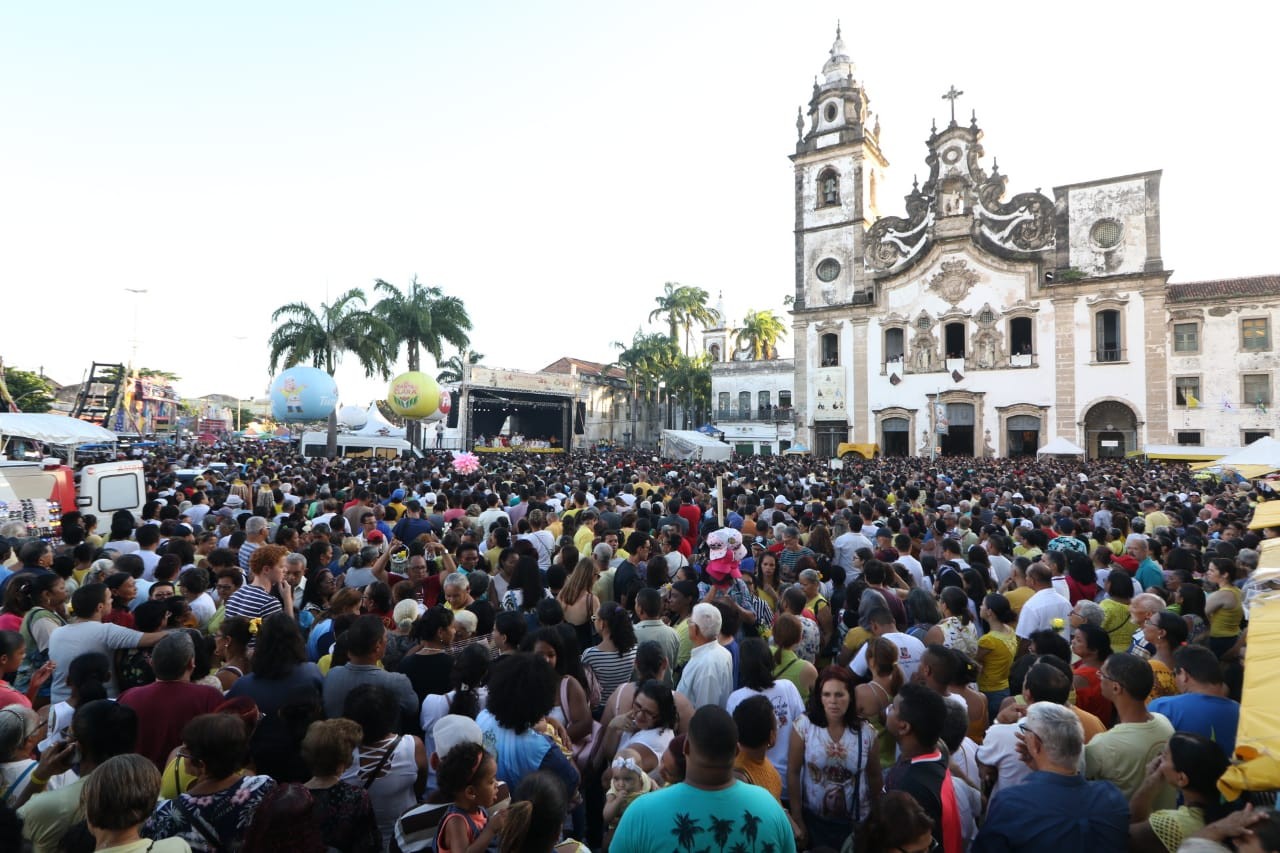
Recife is celebrating the Festa de Nossa Senhora do Carmo, a tradition spanning 330 years, on Thursday, July 16th. The festivities, which began on July 6th, include over 100 masses, a procession, and musical performances held at the Pátio and Basílica do Carmo in the Santo Antônio neighborhood. This municipal holiday draws thousands of faithful annually, necessitating significant traffic management. The Autarquia de Trânsito e Transporte Urbano (CTTU) has implemented street and avenue closures, notably affecting Avenida Dantas Barreto between Rua São João and Avenida Nossa Senhora do Carmo. Alternative routes have been provided for drivers, including using Rua da Praia and accessing the local lane of Avenida Dantas Barreto. The procession, scheduled for late afternoon, will proceed from the Basilica through several major avenues, leading to further access blockages around Praça da República. In response to these disruptions, the Conselho de Transporte Metropolitano (CTM) has altered the itineraries of more than 20 bus lines serving the area. These changes involve rerouting buses to avoid affected streets like Avenida Nossa Senhora do Carmo and Avenida Dantas Barreto, with specific adjustments detailed for lines such as 013, 014, 018, 031, 062, 069, 121, 122, and several others including those serving TI Cabo, TI Tancredo Neves, and Três Carneiros.
The annual Festa de Nossa Senhora do Carmo in Recife highlights the recurring challenge of balancing large public celebrations with urban mobility. The extensive traffic diversions and bus route modifications demonstrate the significant logistical impact such events have on city infrastructure and daily commutes. While essential for cultural and religious observance, these disruptions underscore the need for proactive, integrated urban planning that anticipates and mitigates the effects of major public gatherings. Future event management could explore enhanced public transport coordination, real-time traffic information systems, and potentially staggered scheduling to minimize inconvenience for the broader population while preserving the integrity of the celebration.
AI-generated to prompt reflection — not editorial opinion, not advice, not a statement of fact. How this works.