Recipe for Lamb Stew with Couscous Farofa Featured on Inter TV Rural
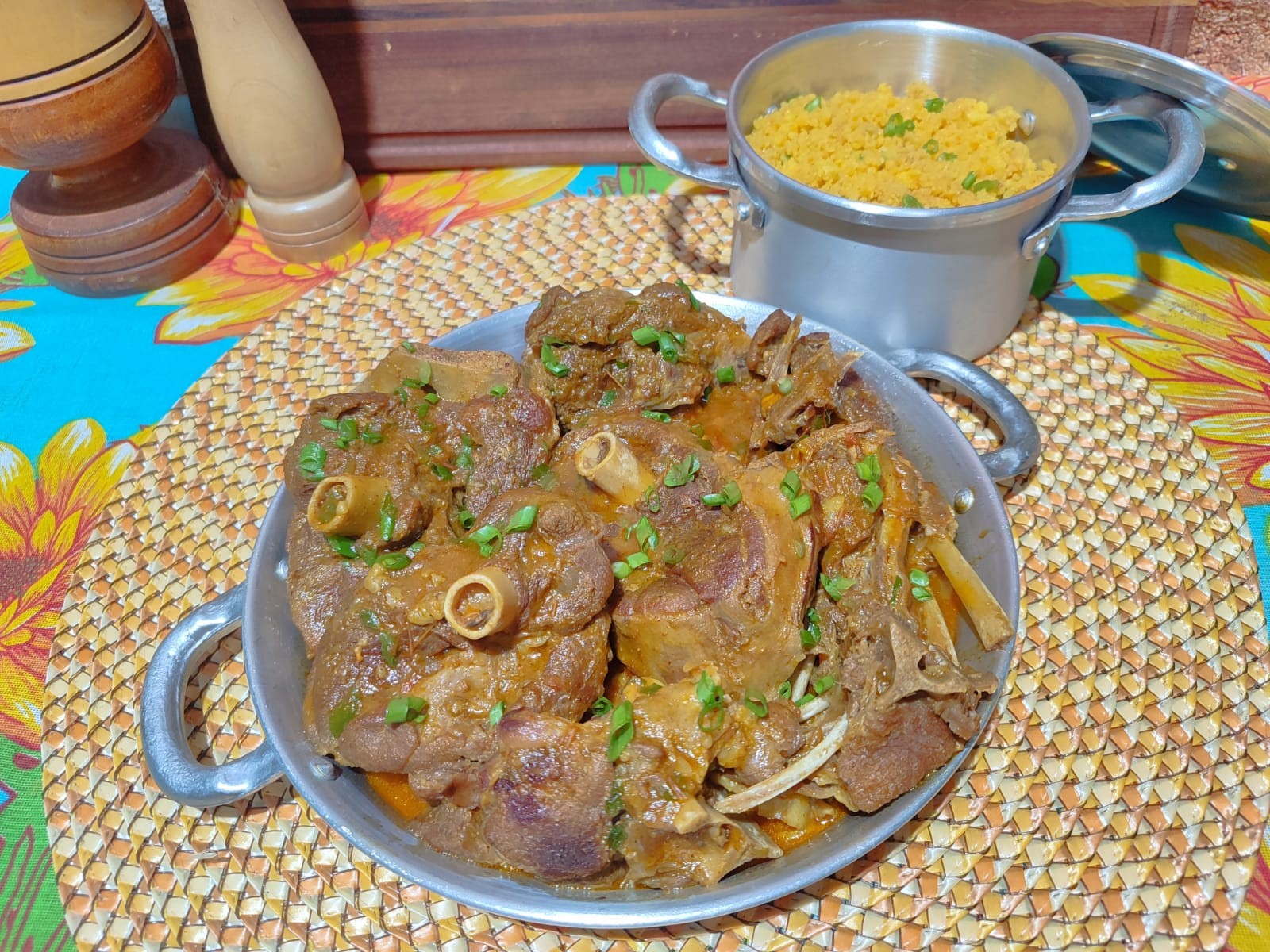
A traditional recipe for lamb stew with couscous farofa, embodying the flavors of the Brazilian sertão, was highlighted on the "Bom Que Só" segment of Inter TV Rural on Sunday, November 5th. Gastronomer Alexandre Dantas prepared the dish, which combines tradition, simplicity, and rich taste. The lamb is slow-cooked with a medley of vegetables and spices until tender. It is served with a couscous farofa, moistened with the stew's cooking broth to intensify the flavor.
The recipe requires 2 kg of lamb cuts, a large chopped purple onion, a large ripe tomato, a large chopped bell pepper, three seeded pimenta-de-cheiro peppers, three crushed garlic cloves, chives, salt, colorau or paprika, black pepper, and olive oil. For the couscous farofa, 250g of corn flocão, water, salt, and reserved lamb broth are needed.
Preparation involves seasoning and searing the lamb. Then, a sauté of onions, tomatoes, peppers, garlic, and chives is made in the same pan. The lamb is returned to the pan, covered with boiling water, and simmered until tender, with salt and seasonings adjusted as needed. Some broth is reserved before finishing the stew with chives. The couscous is prepared traditionally, then loosened with a fork and mixed with chives and the reserved lamb broth to achieve the desired texture. Dantas advises monitoring the lamb's cooking time due to varied cuts and suggests substituting the couscous farofa with a pirão made from cassava flour and the cooking broth as an alternative.
This recipe presentation focuses on a traditional culinary practice, highlighting regional flavors and ingredients. The emphasis on slow-cooking and utilizing the cooking broth for both the stew and the accompanying farofa demonstrates a resourceful approach to maximizing flavor and minimizing waste, a common characteristic of traditional cuisines. The inclusion of specific ingredient quantities and detailed preparation steps provides a clear guide for replication. The suggestion of an alternative accompaniment, pirão, further illustrates the adaptability of the core dish within its culinary context. The segment serves to preserve and disseminate a specific cultural food heritage.
AI-generated to prompt reflection — not editorial opinion, not advice, not a statement of fact. How this works.