Recipe for Raw Hilsa Fish Mash: A Step-by-Step Guide
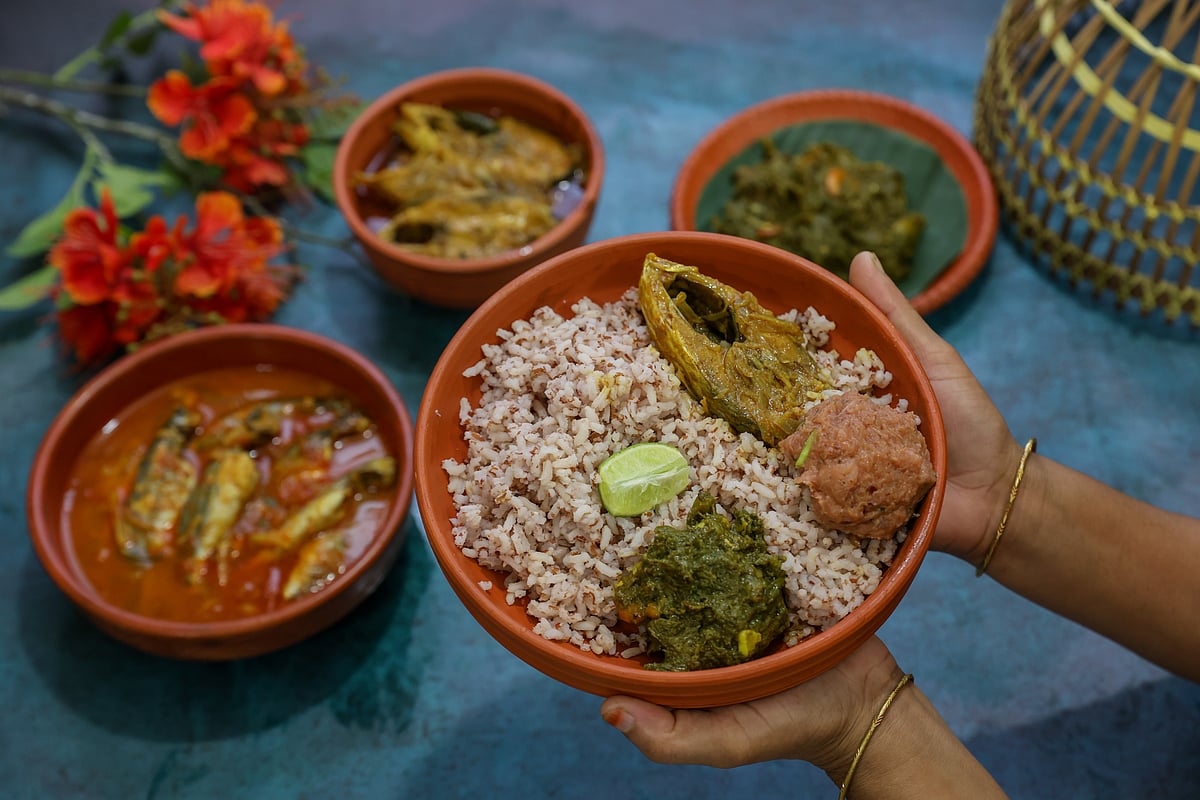
This article provides a detailed recipe for preparing a traditional Bengali dish: raw Hilsa fish mash, as shared by Shahnaz Begum. The recipe calls for 10 pieces of Hilsa fish, weighing approximately 800 grams to 1 kilogram. Key ingredients include 3 cups of chopped onions, 10 sliced green chilies, 6 tablespoons of mustard oil, salt to taste, 1 teaspoon of turmeric powder, 2 teaspoons of chili powder (optional, for extra spice), 1 teaspoon of cumin powder, and 1 teaspoon of roasted cumin powder. The preparation involves washing and draining the fish, then gently marinating it with chopped onions, turmeric, chili, and cumin powders, and salt. Two tablespoons of mustard oil are added and mixed in. In a separate pan, the remaining mustard oil and half a teaspoon of chili powder are heated over low to medium heat to prevent burning. The marinated fish is then carefully placed in the pan, along with the water used to rinse the bowl of spices. The pan is gently shaken or stirred. After covering and cooking on medium heat for eight to nine minutes, the lid is removed, and the fish is carefully turned. Sliced green chilies are added, and the dish is simmered on low heat for about five minutes. Finally, roasted cumin powder is sprinkled over the dish, which is then covered and left to rest for three minutes before serving.
This recipe highlights a specific culinary tradition focused on preserving the delicate flavor of Hilsa fish through minimal cooking. The emphasis on raw marination and brief cooking times suggests a cultural preference for texture and taste that might be altered by prolonged heat. From a food science perspective, this method likely minimizes the breakdown of sensitive omega-3 fatty acids present in Hilsa, potentially offering a higher nutritional yield compared to heavily cooked preparations. The use of mustard oil and traditional spices is characteristic of Bengali cuisine, reflecting regional ingredient availability and flavor profiles. This approach to cooking can be viewed as a sustainable practice, utilizing local resources and traditional knowledge to maximize the sensory and nutritional value of a prized ingredient.
AI-generated to prompt reflection — not editorial opinion, not advice, not a statement of fact. How this works.