Reclaiming the Mapocho Riverfront: Integrating Urban Space with Daily Life
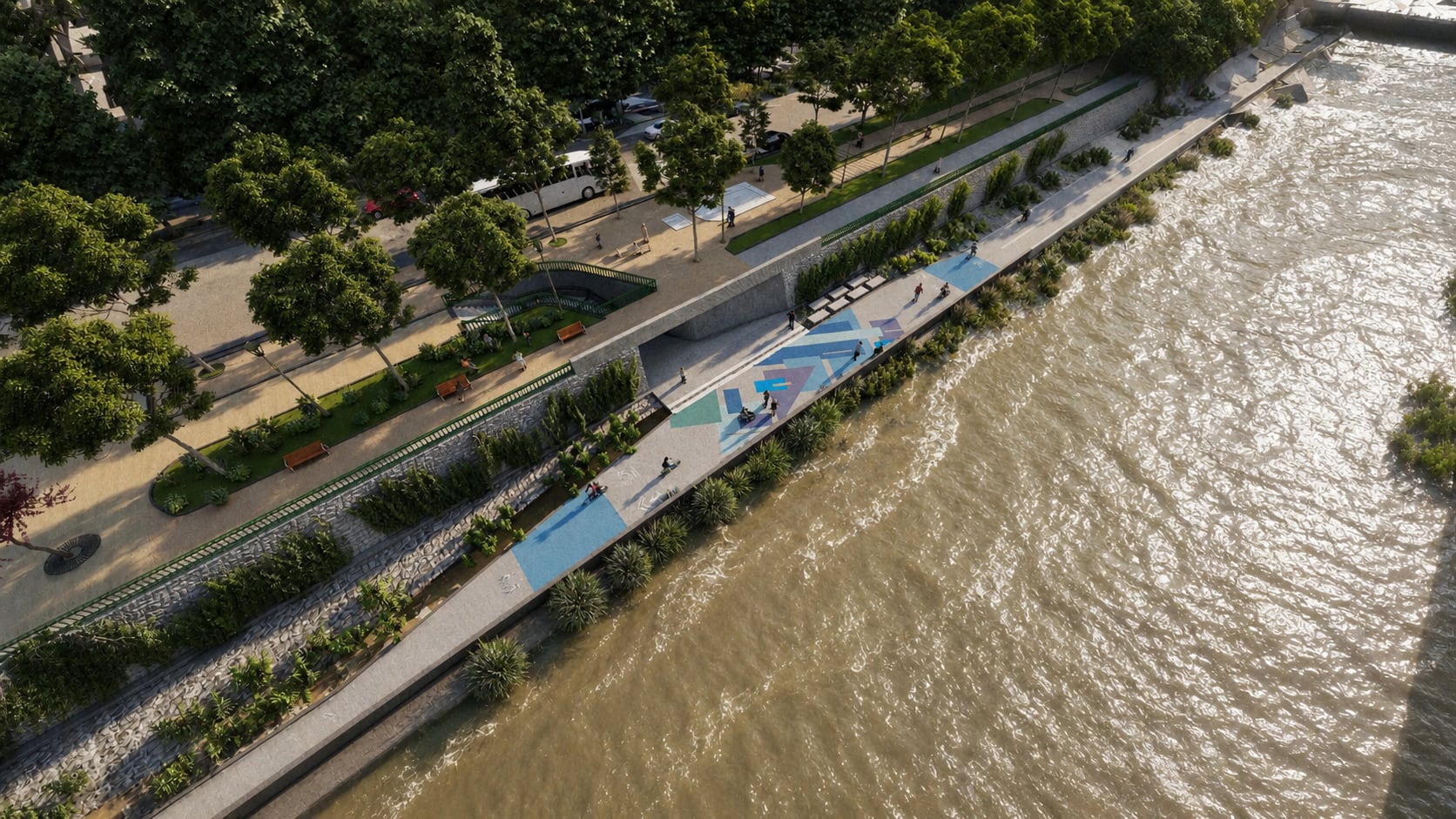
The recovery of the Mapocho River's edge in Santiago presents a significant opportunity to reconnect the city with one of its most iconic natural features. However, the success of this urban intervention should not be solely judged by the amount of infrastructure, green spaces, or bike lanes created. True transformation occurs when a space becomes seamlessly integrated into the daily lives of city dwellers. The experience of inhabiting a city is not uniform across all individuals, particularly when considering gender. Many women navigate public spaces with a constant assessment of their safety, leading them to adjust their schedules, alter routes, or avoid certain areas altogether. This perception of insecurity actively shapes the urban landscape by influencing who uses it, when they use it, and how they inhabit it. Failing to acknowledge this dimension can result in technically sound projects that remain largely uninhabitable for a significant portion of the population. The ultimate challenge lies not just in inaugurating a new promenade, but in transforming a historically disconnected riverfront into a place of genuine encounter, permanence, and trust. The true measure of success will be the riverfront's ability to become a daily space where anyone can walk and feel ownership with equal freedom. Only then can the Mapocho cease to be an urban boundary and truly become part of the city, signifying a change that occurs when people no longer avoid a space, rather than merely when a new work is opened.
The proposed urban redevelopment of the Mapocho Riverfront highlights a critical tension between technical urban planning and the lived experiences of diverse populations. While infrastructure development is a visible metric of progress, its long-term success hinges on fostering genuine social integration and a sense of safety. The analysis points to a gendered dimension of public space utilization, where perceived security significantly influences accessibility and daily use. Future urban projects must move beyond purely aesthetic or functional design to incorporate robust safety considerations and inclusive planning frameworks. This approach ensures that reclaimed public spaces become truly equitable and habitational for all residents, aligning with principles of sustainable and human-centered urbanism in the coming decade.
AI-generated to prompt reflection — not editorial opinion, not advice, not a statement of fact. How this works.