Record 1500+ Migrants Swim to Spanish Enclave Ceuta from Morocco
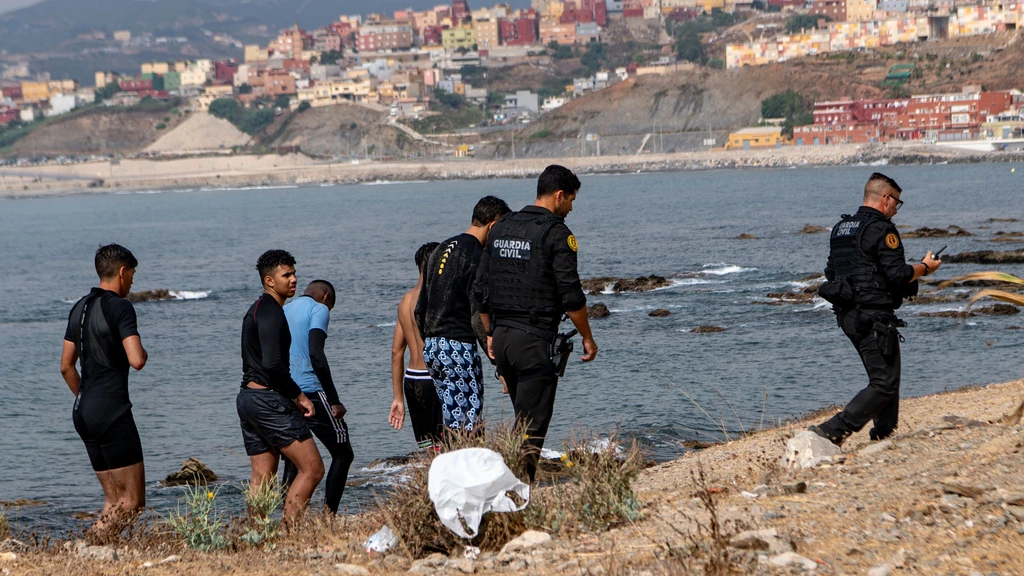
Authorities in the Spanish enclave of Ceuta have reported a record number of over 1500 migrants arriving by swimming from Morocco in recent days. Officials stated they were overwhelmed by the unusually high influx, which included both adults and children, leading to full reception centers. While favorable summer weather typically increases illegal crossings, this scale of peak arrival is unprecedented. The specific reasons for this surge remain unclear. Ceuta, located on the North African coast, is part of Spain and the European Union. Mayor Juan Jesús Vivas warned of the dangers, noting that many migrants perish during the attempt, with at least sixty deaths recorded last year. Spanish Interior Minister Grande-Marlaska acknowledged the "extraordinary, exceptional situation" and confirmed that existing resources are being deployed to manage it, with Spanish authorities and the Red Cross using boats for rescues. Hundreds of migrants are currently sleeping outdoors due to overcrowding at a reception center. Activists indicate that the majority of those attempting to reach Ceuta originate from Morocco, with a smaller number from Algeria. These illegal crossings are known for sudden surges, such as a September 2024 incident where social media encouraged mass crossings, prompting Moroccan police to intercept hundreds of youths in Fnideq. A significant crisis occurred in May 2021 when 8000 migrants entered Ceuta in two days, during which Spain accused Morocco of intentionally easing border controls. However, the current Interior Minister praised Moroccan authorities for their cooperation, describing the relationship as "close and based on loyalty." Morocco and Spain have collaborated on tackling illegal migration since 2022, a partnership that contrasts with the 2021 diplomatic cooling which led to an exodus of Moroccans towards Spanish exclaves due to reduced border policing.
This event highlights the persistent migratory pressures on Europe's southern borders, exacerbated by geopolitical factors and socio-economic conditions in North Africa. The record number of arrivals underscores the limitations of current border management strategies, particularly in responding to sudden, large-scale movements. While diplomatic cooperation between Spain and Morocco is noted, the underlying drivers of migration, such as economic disparity and regional instability, remain unaddressed. Future policy considerations should focus on comprehensive strategies that balance border security with humanitarian concerns and address root causes of migration, potentially through enhanced regional development initiatives and legal pathways. The reliance on ad-hoc rescue operations and overwhelmed reception centers suggests a need for more sustainable, proactive, and coordinated approaches to migration management in the coming decade.
AI-generated to prompt reflection — not editorial opinion, not advice, not a statement of fact. How this works.