Record-Breaking El Niño Expected, Experts Warn of Extreme Weather
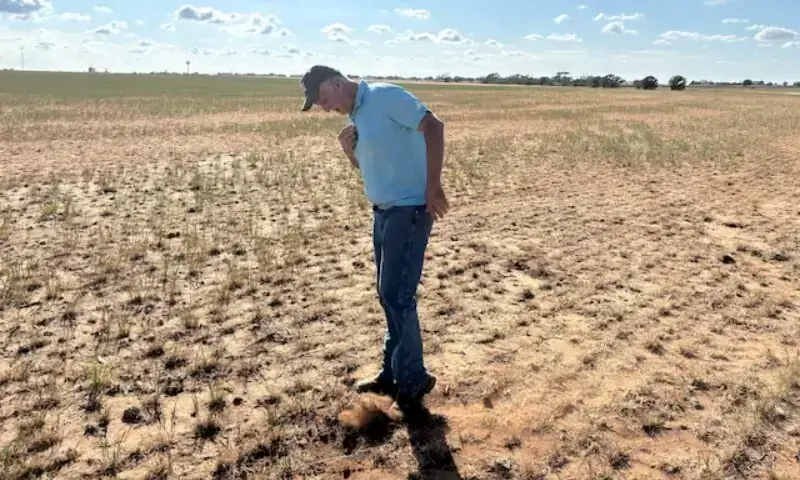
A top expert has stated that the current El Niño weather phenomenon is likely to break records for its intensity. El Niño, which occurs every two to seven years and lasts nine to 12 months, warms Pacific Ocean surface temperatures, leading to global shifts in wind, pressure, and rainfall patterns. This year's event is considered exceptional, with forecast models indicating an "extreme" occurrence, according to Tim Stockdale, an El Niño specialist at the European Centre for Medium-Range Weather Forecasts (ECMWF). Stockdale noted that the consistency and strength of the forecasts for this El Niño are unprecedented in over three decades of tracking. He expressed high confidence that it would set a new record, though he cautioned that no outcome is guaranteed. The phenomenon typically peaks between November and February, with temperature impacts often following. This year's El Niño, combined with human-caused climate change, follows a trend that made 2023 the second-hottest year on record and projects 2024 to be even warmer. The US weather agency and the World Meteorological Organization have both confirmed the development and intensification of a strong El Niño event. United Nations food aid agencies have appealed for funds for preventative measures, while India is developing contingency plans for farmers facing potential drought. Asia generally experiences drier conditions, with El Niño potentially suppressing the South Asian monsoon. Australia faces increased risks of drought, heatwaves, and wildfires, while the Horn of Africa may see more rainfall. Conversely, large parts of Africa typically experience drier conditions. Coastal Peru and Ecuador could face heavy rainfall and landslides, while northern Brazil might see drought and increased wildfire risk.
The convergence of a potentially record-breaking El Niño with ongoing anthropogenic climate change presents a significant challenge to global climate stability and resource management. This situation highlights the complex interplay between natural climate cycles and human-induced warming, suggesting that future extreme weather events may be amplified in both frequency and intensity. The reliance on forecast models, while improving, still carries inherent uncertainties, underscoring the need for robust, adaptive strategies across sectors like agriculture and disaster preparedness. International cooperation and proactive resource allocation, as indicated by UN appeals, are critical for mitigating the widespread socioeconomic impacts, particularly in vulnerable regions dependent on predictable weather patterns. The event serves as a stark reminder of the escalating risks associated with climate change and the imperative for sustained global efforts towards emissions reduction and climate resilience.
AI-generated to prompt reflection — not editorial opinion, not advice, not a statement of fact. How this works.