Record Drought Cripples European Rivers, Halting Power and Trade
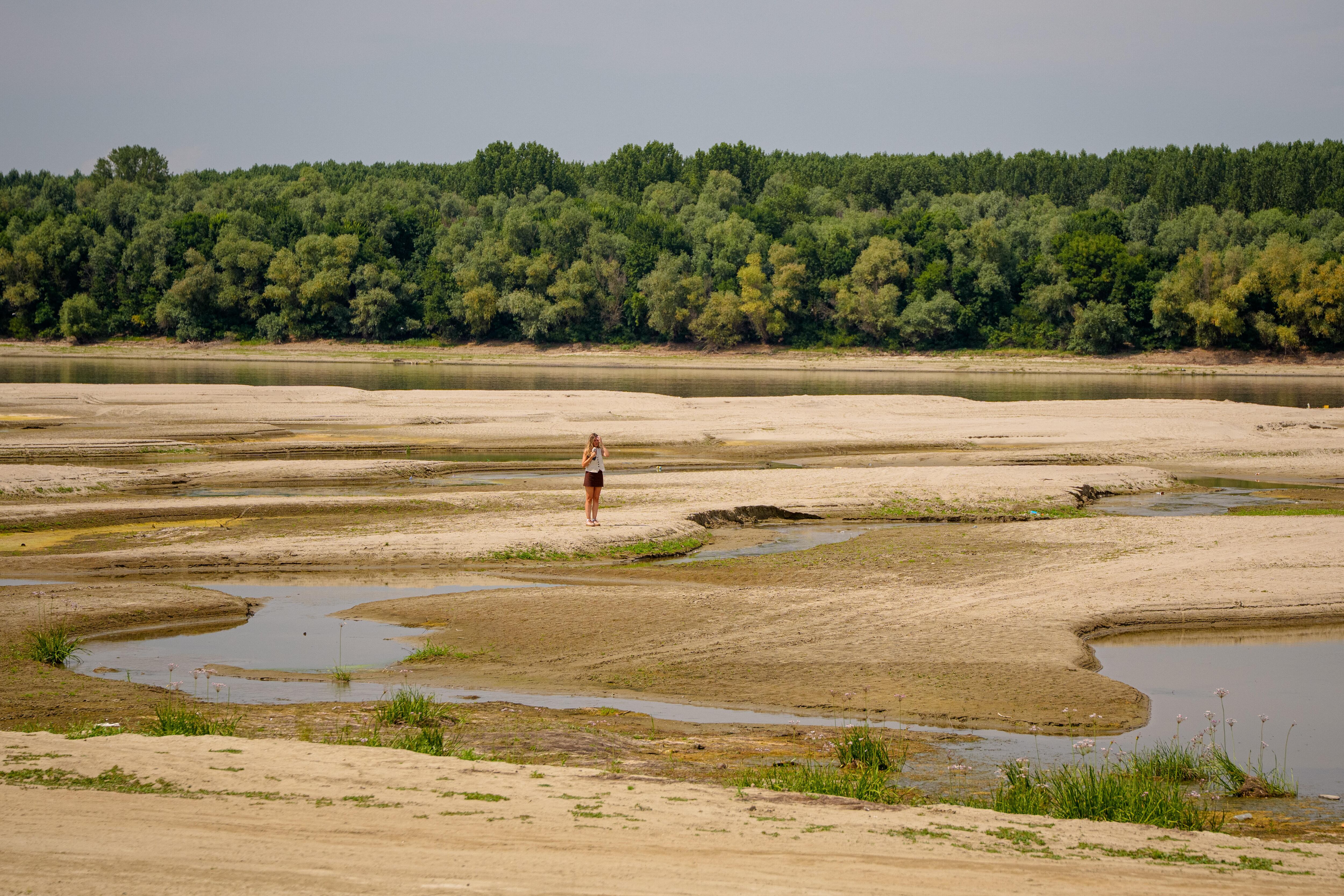
Historic low water levels in the Danube and Rhine rivers are causing widespread disruption across Europe. The drought is significantly impacting nuclear power production, as these plants rely on river water for cooling. Cargo transport is also severely affected, with ports becoming empty and barges unable to navigate key waterways. This has led to major logistical challenges for industries dependent on riverine trade routes, stretching from France all the way to Serbia. The tourism sector is also experiencing a downturn, as reduced water levels make river cruises and related activities impossible. The situation highlights the vulnerability of critical European infrastructure to extreme weather events and climate change. Authorities are monitoring the situation closely, but options for immediate relief are limited given the scale of the drought. The economic consequences are expected to be substantial, affecting various sectors reliant on these vital arteries of commerce and energy.
The severe drought impacting Europe's major rivers, the Danube and Rhine, exposes systemic vulnerabilities in energy production, logistics, and tourism. Reliance on river water for nuclear plant cooling and for transporting goods reveals an overdependence on stable climatic conditions. As climate change intensifies, these events will likely become more frequent, necessitating a strategic re-evaluation of infrastructure resilience. Future planning must incorporate adaptive strategies, such as diversifying cooling sources for power plants and exploring alternative transport networks, to mitigate the economic and operational fallout from such environmental shocks. This situation underscores the urgent need for robust climate adaptation policies that account for the interconnectedness of natural resources and industrial capacity.
AI-generated to prompt reflection — not editorial opinion, not advice, not a statement of fact. How this works.
