Record Heat, Drought, and Energy Crisis Grip Hungary as Critical Week Begins
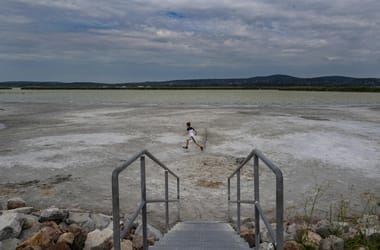
Hungary is currently experiencing an unprecedented heatwave, with peak temperatures around 40 degrees Celsius and hot nights expected to persist until the end of the work week. This extreme heat is compounded by a severe drought, which has led to a record low water level in the Danube River. Consequently, the Paks nuclear power plant will soon cease operations entirely. Energy conservation measures have been implemented across the country in response to the developing crisis. The national parliament will not be convening, and even routine road checks have been suspended. This critical week marks a significant challenge for the nation, impacting daily life and essential services.
The confluence of extreme heat, drought, and energy supply issues in Hungary highlights systemic vulnerabilities. The reliance on river water for critical infrastructure like the Paks nuclear power plant, coupled with record-breaking temperatures, exposes the fragility of energy security in the face of climate change. This situation necessitates a strategic re-evaluation of energy infrastructure resilience, potentially favoring diversified energy sources and more robust water management strategies. The immediate impact on daily life and the suspension of governmental functions underscore the cascading effects of environmental and infrastructural challenges, prompting consideration of long-term adaptation planning to mitigate future crises.
AI-generated to prompt reflection — not editorial opinion, not advice, not a statement of fact. How this works.
