Record Livestock Numbers Signal Major Shift in Argentina's Feedlot Sector
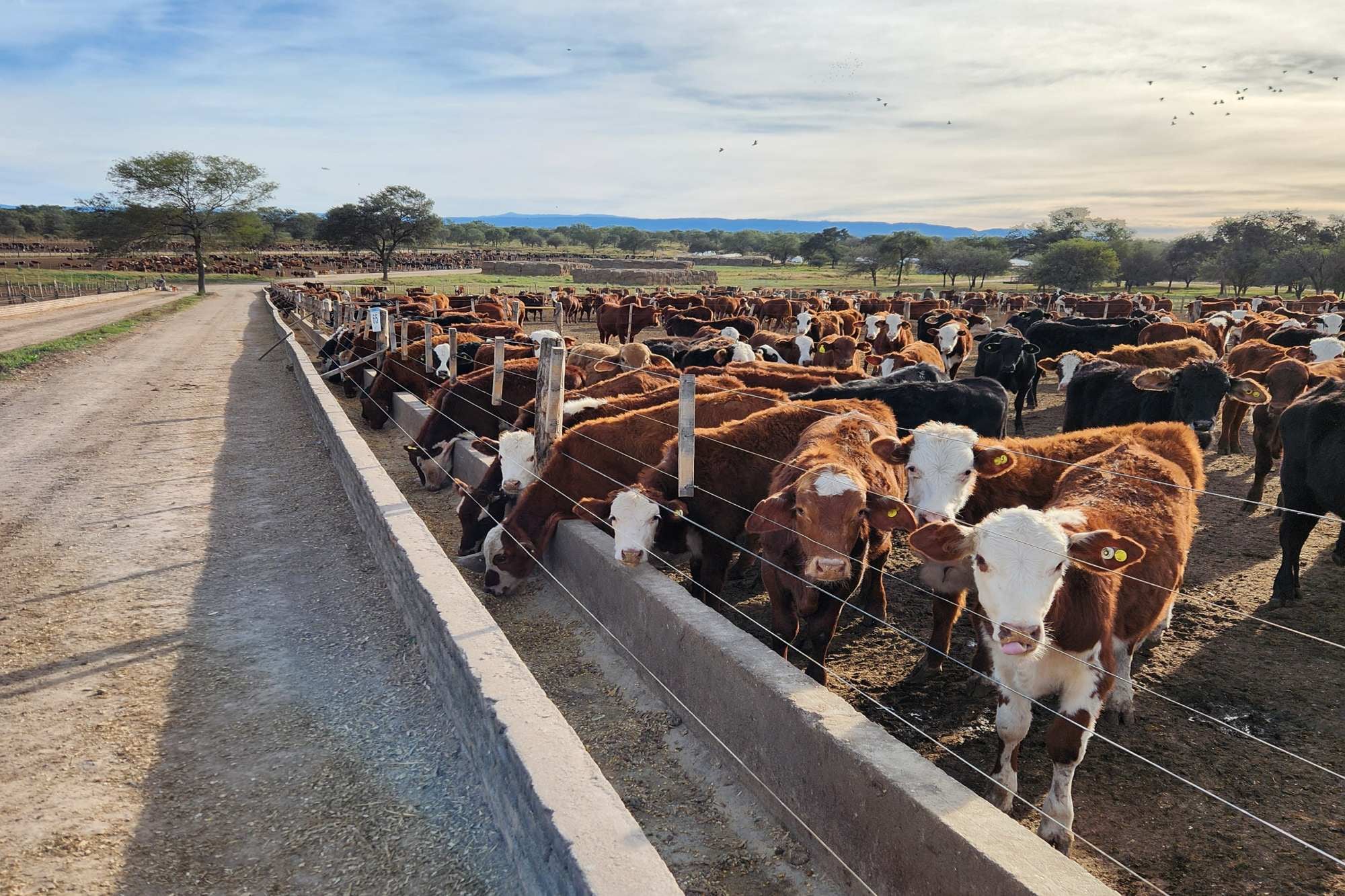
Argentina's feedlot sector is experiencing a significant transformation, marked by a record number of livestock. This surge in stock is attributed to an extension in the time it takes to finish cattle, indicating a shift in production cycles. The implications of this trend are being closely watched as they represent a substantial change for the country's agricultural landscape. This development suggests a potential recalibration of strategies within the industry, possibly influenced by market dynamics or regulatory environments. The extended finishing times could point to various factors, including feed availability, market demand fluctuations, or producers adapting to new economic conditions. The record stock levels underscore the importance of the feedlot industry in Argentina's economy and its capacity to adapt to evolving circumstances. Further analysis will be needed to understand the long-term effects of this 'extremely auspicious' development on the national agricultural output and export potential.
The record livestock numbers in Argentina's feedlot sector, linked to extended finishing times, suggest a complex interplay of economic incentives and production strategies. This shift may reflect producers optimizing for future market conditions or adapting to current cost structures related to feed and holding periods. The 'auspicious' framing highlights a positive outlook from industry stakeholders, potentially anticipating higher future returns or improved market access. However, a deeper analysis should consider the potential systemic risks associated with prolonged inventory cycles, such as increased exposure to disease, feed price volatility, and capital tie-ups. Understanding the drivers behind these extended cycles—whether market signals, policy influences, or technological adoption—will be crucial for assessing the sector's long-term resilience and its contribution to Argentina's broader economic stability in the coming decade.
AI-generated to prompt reflection — not editorial opinion, not advice, not a statement of fact. How this works.