Record Low Danube Levels Force Shutdown of Hungary's Sole Nuclear Plant
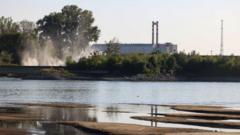
Hungary's only nuclear power plant has been forced to shut down due to record low water levels in the Danube River. The Paks Nuclear Power Plant requires significant amounts of water for cooling. The ongoing drought and prolonged heatwaves affecting Central Europe have led to drastically reduced water levels across the Danube. This situation is not unique to Hungary, as neighboring countries Romania, Bulgaria, and Serbia are also experiencing the severe impacts of the persistent heat and lack of rainfall. The reduced water availability poses a significant challenge for industrial operations, including energy production, in the region.
The shutdown of Hungary's sole nuclear facility due to low river levels highlights the critical interdependencies between energy infrastructure and environmental conditions. This event underscores the vulnerability of essential services to climate change impacts, particularly in regions reliant on large water bodies for cooling. Future energy planning will need to incorporate more robust climate resilience strategies, potentially including diversified cooling technologies or alternative energy sources less susceptible to hydrological fluctuations. The situation also prompts consideration of regional water resource management and the potential for collaborative solutions to mitigate shared risks.
AI-generated to prompt reflection — not editorial opinion, not advice, not a statement of fact. How this works.