Record Number of Dutch Municipalities Still Without Coalition Before Summer Break
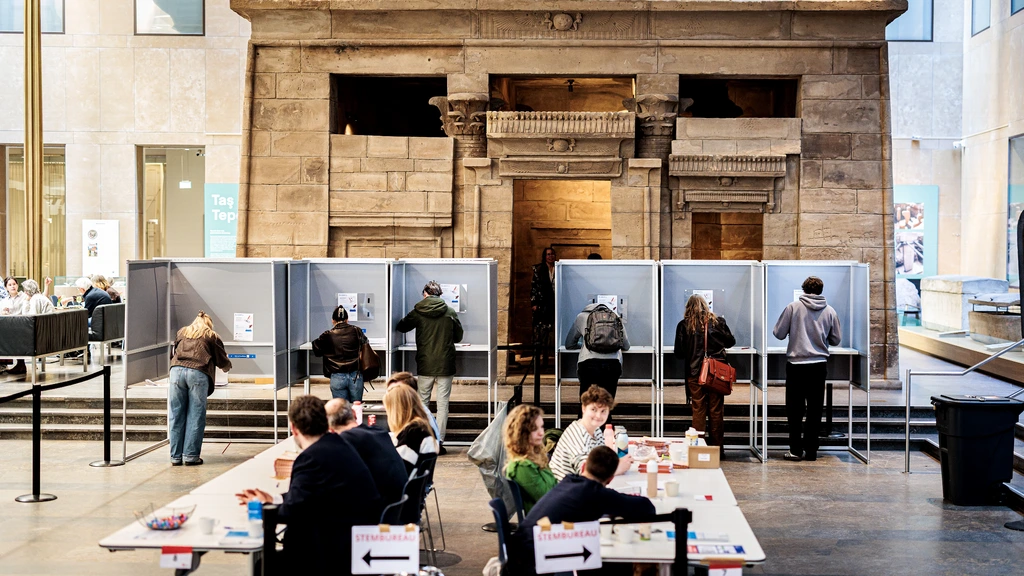
A record sixteen Dutch municipalities have failed to form a new college of mayor and aldermen 126 days after the municipal elections held in March. With the summer recess adding another thirty days, the coalition formation process in these areas will now extend beyond 150 days, a duration never before seen. The platform Binnenlands Bestuur, which serves government officials, reported this unprecedented delay. The municipalities facing these prolonged negotiations include Achtkarspelen, Ameland, Bergen (NH), Best, De Bilt, Edam-Volendam, Hollands Kroon, Leiden, Leidschendam-Voorburg, Papendrecht, Schiermonnikoog, Sluis, Tiel, Tytsjerksteradiel, Velsen, and Zutphen. Consequently, the average formation duration has increased from 83 days in 2022 to 87 days this year, with potential to rise to 90 days. In contrast, only four municipalities required post-summer formation in 2022, and in 2018, Enkhuizen was the sole municipality not to finalize its coalition before the break.
Several factors contribute to these extended timelines. Many municipalities now conduct a 'clarification debate' in their councils, where party leaders analyze election results, and they appoint separate 'explorers' and 'informers' to guide the process. This contrasts with previous, more informal negotiations among local political leaders. The political landscape itself has fragmented, with an increased number of political factions making it harder to assemble a majority coalition, often requiring four or more parties. The shift towards more right-wing parties has complicated negotiations, demanding more time for consensus-building and for vetting alderman candidates' backgrounds and identities.
Out of 324 municipalities that have successfully formed coalitions, 182 took longer than in the previous election cycle, while 115 were quicker, including The Hague which formed its college late in September 2022. Leiden is the only major city still in formation, after its process collapsed last month due to a lack of trust between the PRO and D66 parties. The current record for the longest formation is held by Vlieland, which took 229 days to establish a coalition in 2022.
The extended duration of coalition formation in Dutch municipalities highlights a systemic challenge in translating electoral outcomes into stable local governance. Increased fragmentation of the political landscape, characterized by a rise in the number of factions and a shift towards more polarized parties, necessitates more complex and time-consuming negotiation processes. This suggests a potential disconnect between the desire for diverse representation and the practicalities of efficient decision-making. Future governance models may need to explore mechanisms that facilitate broader consensus-building or alternative structures that can accommodate a more varied political spectrum without compromising administrative functionality. The trend indicates a growing complexity in local politics that could impact service delivery and long-term planning if not adequately addressed through adaptive governance strategies.
AI-generated to prompt reflection — not editorial opinion, not advice, not a statement of fact. How this works.