Record Sargassum Seaweed Bloom Disrupts Caribbean and Gulf of Mexico
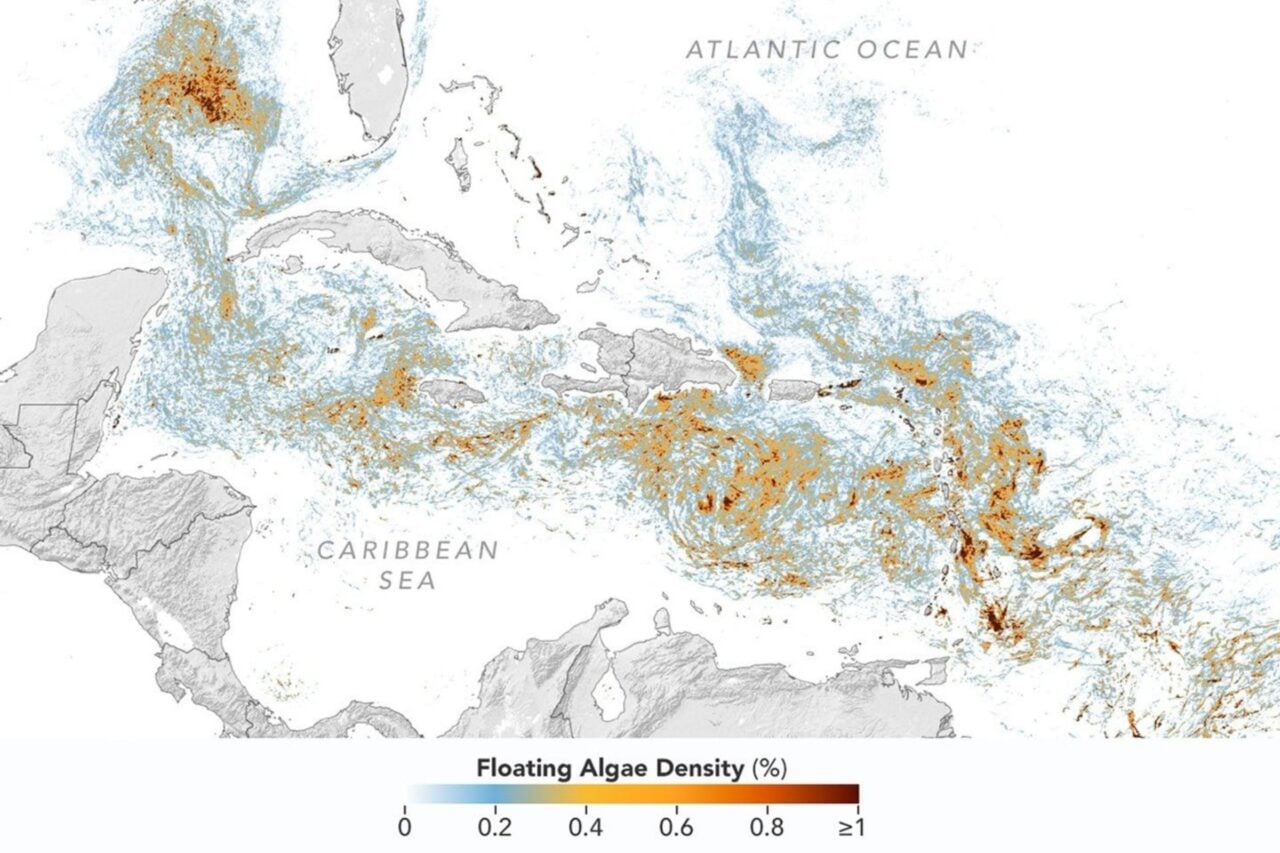
A massive bloom of Sargassum seaweed, characterized by its unpleasant odor and potential to cause respiratory irritation and other health issues, reached unprecedented levels across the Caribbean and the Gulf of Mexico last month. NASA has mapped this extensive seaweed phenomenon, highlighting the significant environmental challenge it presents. The sheer volume of the sargassum is impacting coastal areas and marine ecosystems in these regions. This record-breaking event underscores the growing concern over the increasing frequency and intensity of such algal blooms. The sargassum's presence not only affects tourism and local economies reliant on clear waters but also poses ecological risks. Scientists are closely monitoring the situation to understand the contributing factors and potential long-term consequences. The sargassum's impact extends to potential disruptions in marine life habitats and food chains. This event serves as a stark reminder of the delicate balance within marine environments and the effects of changing ocean conditions.
The record-breaking sargassum bloom highlights the complex interplay between oceanographic conditions, climate change, and regional ecosystems. The scale of this event suggests potential shifts in oceanic currents and nutrient loads, which may be exacerbated by warming waters and altered precipitation patterns. From a systems perspective, the economic impact on tourism and local economies, coupled with ecological disruption, points to a critical need for adaptive strategies and potentially international cooperation for monitoring and mitigation. Future management may involve exploring sustainable harvesting techniques or developing early warning systems to help coastal communities prepare for and manage these recurring environmental challenges.
AI-generated to prompt reflection — not editorial opinion, not advice, not a statement of fact. How this works.