Recycling Centers in Zeeland Bolster Security Against Rising Theft
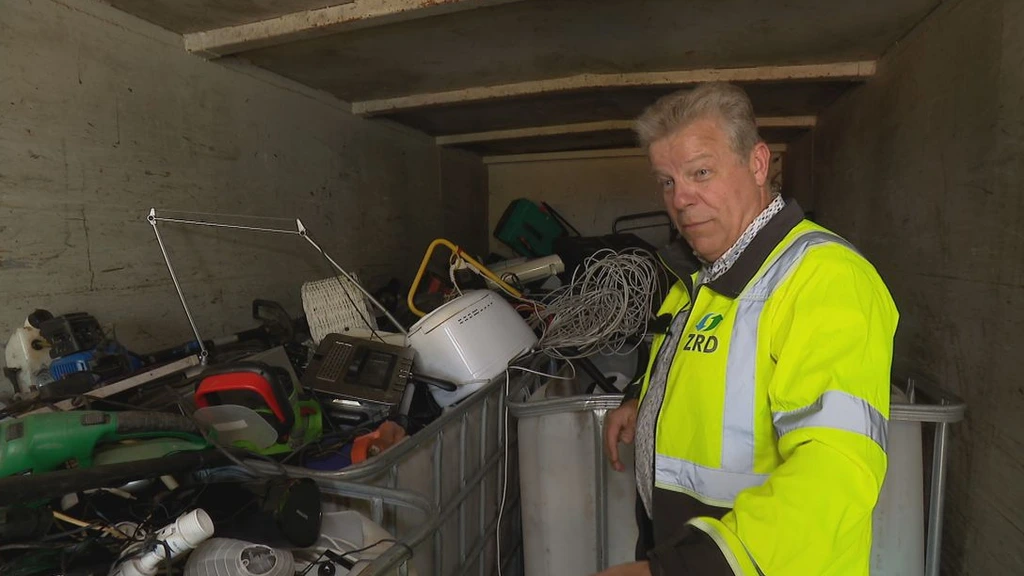
Recycling centers in the Dutch province of Zeeland are implementing enhanced security measures to combat a surge in thefts, primarily targeting scrap metal and discarded electronics. Paul Marinissen, director of the Zeeland Cleaning Service (ZRD), noted that thieves often come with specific items in mind, stealing everything from monitors and computers to vacuum cleaners. The ZRD is now installing larger, heavier locks and reinforcing fences because thieves have been damaging existing security. While specific figures are unavailable, most Zeeland recycling centers report experiencing theft, with significant issues noted in Walcheren, Goes, Kapelle, and Terneuzen. Marinissen recounted an incident in Goes where apprehended thieves were released by police and returned to commit further thefts shortly after. Police representative René den Hollander acknowledged the frustration, explaining that proving ownership of stolen goods from recycling centers is difficult due to a lack of registration, though reporting is still mandatory. In one case, a 33-year-old man from Zierikzee, citing financial hardship and a monthly income of only 70 euros, received a conditional 50-hour community service sentence for stealing cables and an iPad. Marinissen expressed frustration with the Public Prosecution Service (OM), which has indicated that theft from recycling centers is not a high priority due to the nature of the materials involved. The OM generally prioritizes violent crimes over minor property offenses, and the low economic value of recycled goods also influences prosecution decisions. In response, the ZRD has acquired robust, brightly colored locks and reinforced fencing, with similar measures being adopted by other municipal waste facilities across Zeeland.
The escalating theft at Zeeland's recycling centers highlights a systemic challenge where the perceived low value of discarded materials intersects with socioeconomic pressures, leading to property crimes. While the ZRD's investment in enhanced physical security, such as heavy locks and reinforced fencing, offers a direct response, it addresses the symptom rather than the root cause. The difficulty in prosecution, as noted by police, points to a gap in legal frameworks or enforcement priorities for such offenses, potentially creating an environment where opportunistic theft is seen as low-risk. Future strategies might consider exploring incentives for responsible disposal, improved tracking of high-value recoverable materials, or community-based approaches to deterring theft, recognizing that persistent, low-level crime can erode public trust and operational efficiency. The situation also prompts reflection on how societal value is assigned to waste streams and the potential for circular economy initiatives to mitigate these issues.
AI-generated to prompt reflection — not editorial opinion, not advice, not a statement of fact. How this works.