Recycling Laptops and iMacs Revitalizes Affordable PC Building
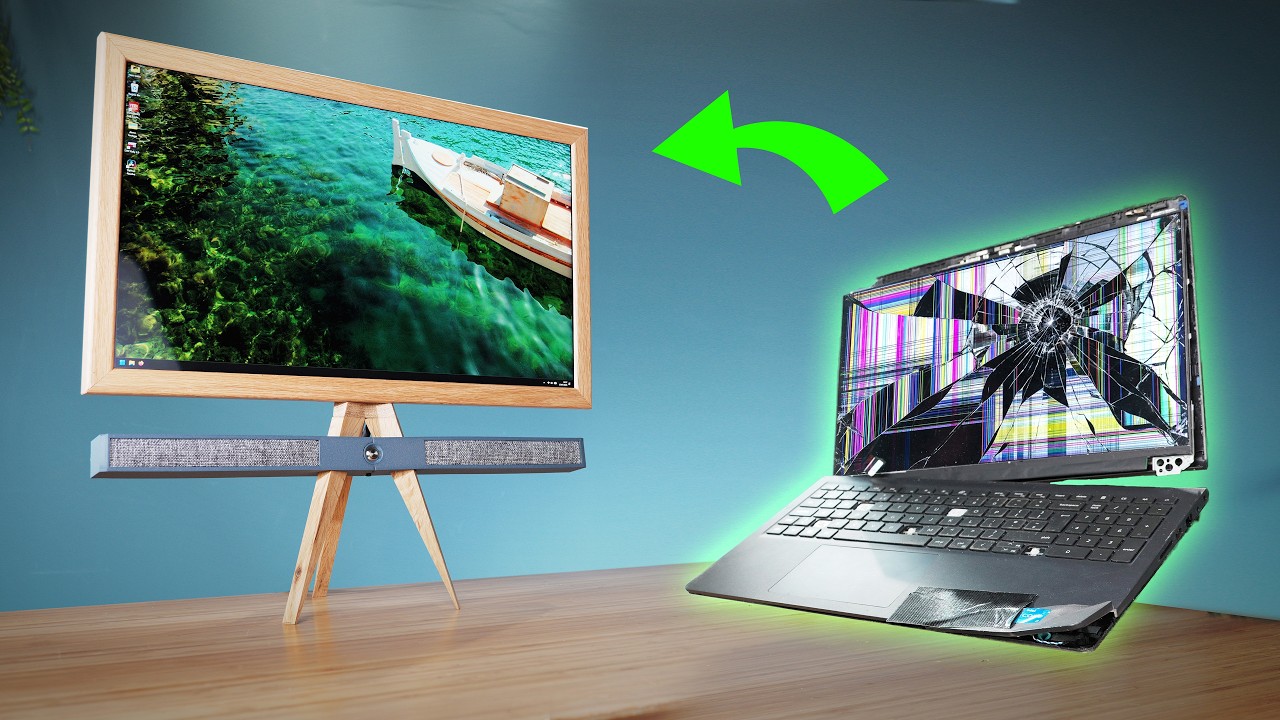
The article suggests that recycling old laptops and Apple iMacs can make building personal computers a more enjoyable and budget-friendly experience. Historically, PC building was driven by a desire to acquire the latest and greatest components within one's financial means. However, the current market appears to be dominated by affordability concerns, overshadowing the excitement of upgrading to cutting-edge hardware. The author implies that repurposing components from discarded devices offers a viable solution to this challenge. This approach allows enthusiasts to access functional parts at a lower cost, potentially reviving the hobby's original appeal. By focusing on salvaged materials, builders can overcome the prohibitive expense of new, high-performance parts. This method not only makes PC customization accessible to a wider audience but also promotes a more sustainable approach to technology consumption. The practice of using recycled components could lead to innovative and unique PC builds that are both cost-effective and environmentally conscious.
The shift in PC building from component innovation to affordability suggests a market dynamic where rising hardware costs have created a barrier to entry for enthusiasts. Repurposing older components, particularly from readily available devices like laptops and iMacs, addresses this by leveraging existing technology to reduce expenditure. This practice aligns with growing trends in sustainability and circular economy principles, offering a potentially scalable model for accessible computing. Future market evolution may see increased integration of refurbished or recycled parts, driven by both consumer demand for affordability and environmental consciousness, alongside potential industry initiatives to support such practices.
AI-generated to prompt reflection — not editorial opinion, not advice, not a statement of fact. How this works.