Recycling plant and Ecoponto catch fire again in Itaquaquecetuba
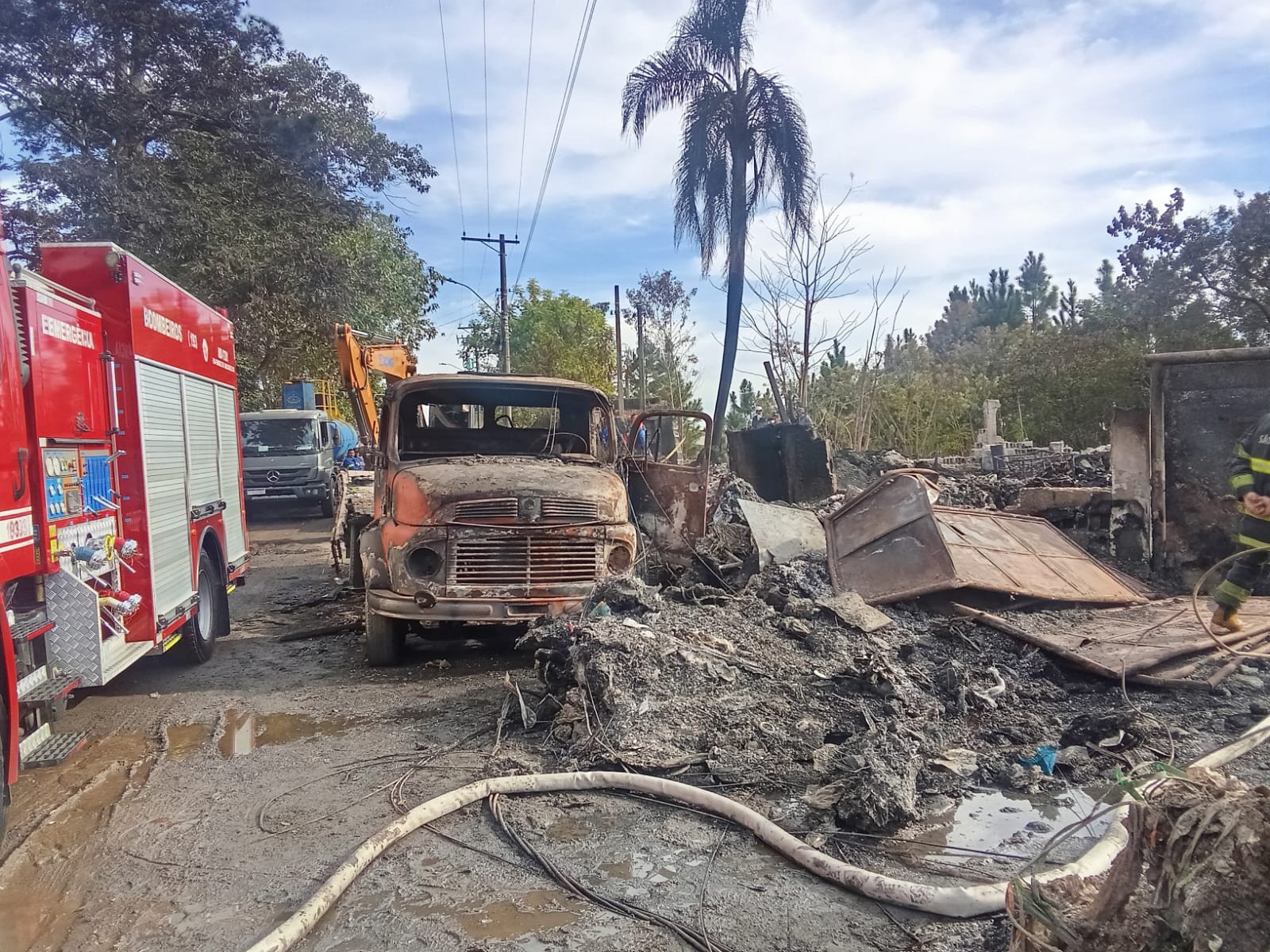
A recycling plant in Itaquaquecetuba, Brazil, reignited on Monday morning, June 3rd, just one day after the fire department had declared the flames controlled. Firefighters were alerted to the renewed blaze at the facility on Rua Laranjal, in the Chácara Água da Pedra neighborhood, at 6:20 AM, deploying five vehicles to the scene. The initial fire at the recycling plant began on the night of Saturday, June 1st, around 10:45 PM. Firefighters worked to control the blaze, which was declared under control by 8:50 AM on Sunday, June 2nd, with crews remaining for the extinguishment process. Images showed a large plume of white smoke, caused by water vapor used in firefighting efforts. While local residents suggested a falling balloon might have started the fire, the fire department stated the cause is still under investigation and has not confirmed this theory. Separately, a second fire broke out in an Ecoponto, a waste collection point, on Avenida Gonçalves Dias in Itaquaquecetuba early Monday morning. Firefighters responded to this incident at 5:39 AM with two vehicles. The fire department has indicated a suspicion that this second fire may have been intentionally set, and the circumstances surrounding it are also being investigated.
The recurrence of fires at industrial and waste management sites in Itaquaquecetuba, particularly the recycling plant and the Ecoponto, raises significant public safety and environmental concerns. The potential for intentional acts, as suggested for the Ecoponto fire, necessitates a thorough investigation into security protocols and potential arson motives. For the recycling plant, the re-ignition suggests challenges in complete extinguishment or potential smoldering materials, highlighting the need for robust post-fire monitoring and risk assessment protocols. From a systemic perspective, such incidents underscore the critical importance of effective fire prevention, rapid response capabilities, and transparent investigations into causes, especially in areas handling large volumes of combustible materials. These events also prompt consideration of urban planning and industrial zoning to mitigate risks associated with such facilities in populated areas, particularly in the context of increasing climate-related risks and potential for extreme weather events that could exacerbate fire conditions.
AI-generated to prompt reflection — not editorial opinion, not advice, not a statement of fact. How this works.
