Red Cross Calls Dutch Asylum Seeker Situation 'Embarrassing' as Aid Groups Withdraw
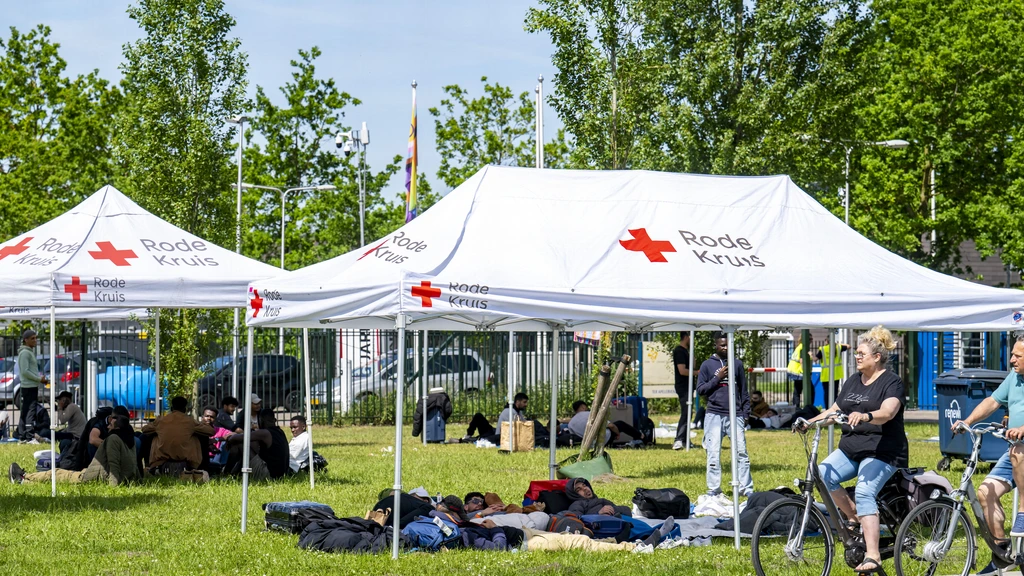
The Dutch Red Cross has declared the situation at the Ter Apel asylum seeker center "embarrassing," citing an inability to ensure a safe environment for both aid workers and asylum seekers. The organization has temporarily suspended its services on the center's forecourt due to safety concerns, including minor fights, intimidation, and a tense atmosphere, primarily attributed to a small group of men. Director Harm Goossens stated that the inability to resolve the issue for the 40 to 100 individuals present is a national embarrassment. The Red Cross withdrew after police could not guarantee sufficient security, and they will return once safety is re-established. Vluchtelingenwerk Nederland has also ceased operations at the site. The situation has been exacerbated by two stabbing incidents in the past week, resulting in two injuries, alongside frequent altercations. Reports from the scene describe deserted outdoor sleeping areas, with individuals loitering, and a palpable sense of tension and fear of robbery. Asylum seekers have been spending days on the forecourt since May 20 due to a lack of indoor space, sleeping in emergency accommodations at night. The Red Cross previously provided meals, water, and shelter. Goossens urged municipalities to step forward with emergency reception facilities to alleviate pressure on Ter Apel. The municipality of Westerwolde expressed regret over the aid groups' withdrawal, acknowledging the severity of the safety issues and calling on the ministry to provide more reception capacity nationwide. Police confirmed responding to all incidents and taking action against criminal offenses but clarified they are not responsible for forecourt supervision. MiGreat, another aid organization, continues to provide assistance, prioritizing the need for help over perceived safety risks.
The withdrawal of aid organizations from the Ter Apel asylum center highlights a critical breakdown in the Dutch government's capacity to manage asylum seeker reception, particularly concerning safety and basic human needs. The "embarrassing" situation, as termed by the Red Cross, points to systemic governance failures in providing adequate and secure temporary housing. This scenario, occurring within a developed nation, raises questions about resource allocation and inter-agency coordination. The reliance on external organizations for essential services, coupled with their withdrawal due to security lapses, suggests a need for a more robust and state-led approach to asylum management. Looking ahead, the increasing global pressures on migration flows necessitate proactive, long-term solutions rather than reactive crisis management, to ensure both the dignity of asylum seekers and the safety of communities and aid workers.
AI-generated to prompt reflection — not editorial opinion, not advice, not a statement of fact. How this works.