Red Sea Chokepoint Emerges Amidst Escalating Middle East Tensions
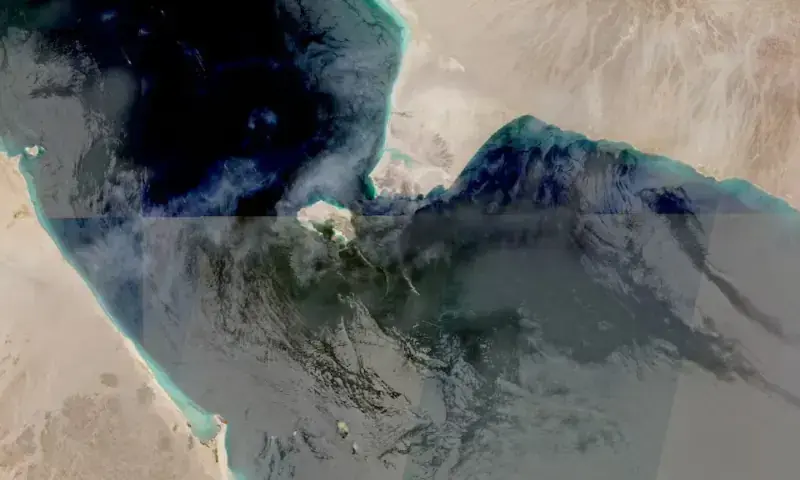
A new maritime chokepoint, the Bab al-Mandeb Strait on the Red Sea, has emerged as a significant concern following disruptions in the Strait of Hormuz due to US-Iran conflict. The potential closure of Bab al-Mandeb poses a catastrophic risk to global commerce and could extend regional hostilities into the Red Sea area. Pro-Iran Houthi militia in Yemen announced a blockade of Saudi ships on July 13, following a bombing of Sanaa airport and the diversion of a flight from Iran. While the Houthis have previously blockaded the Red Sea in solidarity with Palestinians, this latest action carries a greater global implication due to the simultaneous situation in Hormuz. Pakistan has condemned the closure and warned against targeting its vessels, highlighting its own reliance on the Bab al-Mandeb for energy supplies. Prime Minister Shehbaz Sharif expressed solidarity with Saudi Arabia in a call with Crown Prince Mohammed bin Salman. Given the severe economic consequences and the danger of wider conflict, the Houthis are urged to reverse their decision. Iran, as part of the 'Axis of Resistance,' is called upon to use its influence to persuade the Yemeni group to reconsider the blockade. Pakistan is also encouraged to leverage its diplomatic channels with Iran to advocate against closing the Red Sea route. Efforts to revive the Houthi-Saudi ceasefire are deemed crucial to prevent a resurgence of the Yemen conflict. US President Donald Trump has indicated Iran would be held responsible for Houthi attacks, raising concerns about further escalation of the US-Iran conflict. The article suggests that the current crisis, spanning the Gulf to the Red Sea, originates from a US-Israeli attack on Iran, which is characterized as a miscalculation by Washington and Tel Aviv. Ultimately, regional countries are urged to de-escalate tensions and prevent a devastating conflict, with Pakistan tasked to intensify diplomatic efforts alongside other regional powers.
The situation highlights the interconnectedness of global supply chains and regional geopolitical stability. The emergence of multiple chokepoints, such as the Strait of Hormuz and Bab al-Mandeb, amplifies the systemic risk to international trade and energy security. Actions by non-state actors, influenced by larger geopolitical rivalries, can have disproportionately large impacts on the global economy, underscoring the challenges of managing asymmetric conflict. The analysis suggests that external interventions can inadvertently escalate regional tensions, creating complex dynamics where regional actors must navigate the consequences of great power competition. Future efforts to ensure maritime security will likely require enhanced diplomatic coordination among regional powers to de-escalate conflicts and prevent the weaponization of critical trade routes.
AI-generated to prompt reflection — not editorial opinion, not advice, not a statement of fact. How this works.