Red Sea Mission Reduced to Two Frigates Amid Escalating Tensions
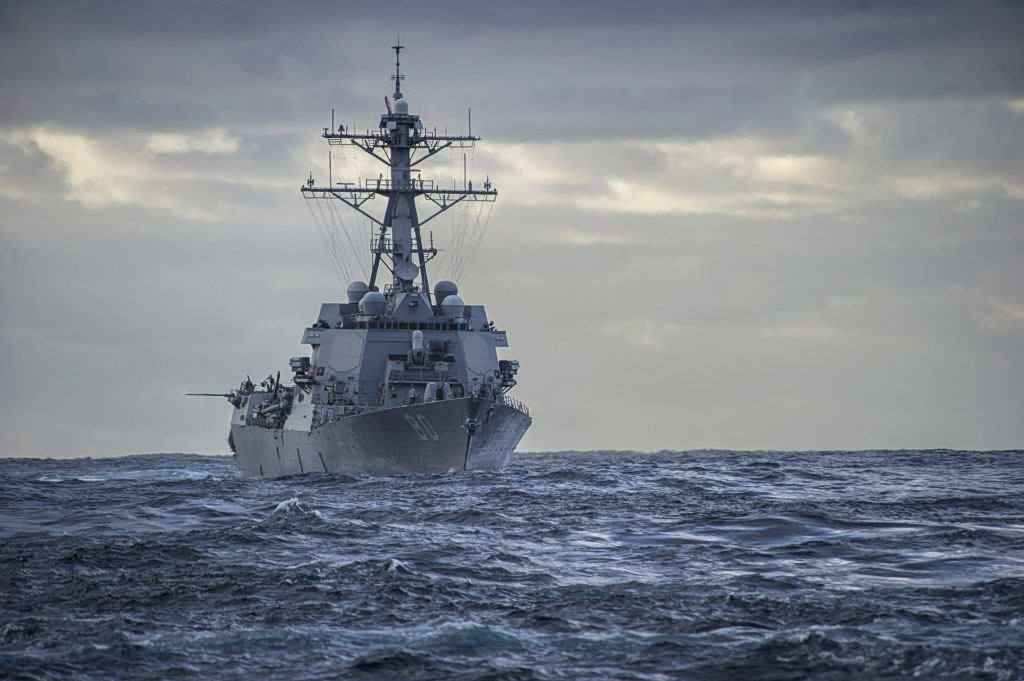
The naval presence in the Red Sea, part of the EU's "Aspides" mission, has been significantly reduced, leaving only one Greek and one Italian frigate to cover the volatile region. This drastic reduction has prompted continuous warnings from Athens regarding the mission's diminished capacity. The "Aspides" operation, launched in February 2024, aims to protect commercial shipping and ensure freedom of navigation in a critical maritime corridor that has faced escalating attacks from Houthi rebels in Yemen. The mission's mandate includes escorting vessels, providing situational awareness, and intercepting threats. However, with the withdrawal of several participating warships, the remaining vessels are stretched thin, potentially compromising their ability to effectively respond to incidents. Greece, a key contributor to the mission, has voiced concerns about the operational limitations imposed by the reduced fleet. The situation highlights the challenges in maintaining adequate naval security in a vast and increasingly dangerous area, particularly when multiple nations' contributions fluctuate. The effectiveness of the mission is now under scrutiny as it operates with significantly fewer assets than initially planned.
The reduced naval presence in the Red Sea's "Aspides" mission, now down to two frigates, underscores the complexities of multinational security operations. While the mission's objective is to safeguard vital shipping lanes, the diminished capacity raises questions about burden-sharing and the sustainability of such deployments when individual national contributions falter. This situation could incentivize alternative security arrangements or prompt a reassessment of the mission's scope and resource allocation. The long-term implications may involve increased reliance on private maritime security or a strategic shift in how international maritime security is managed in conflict zones, particularly in the context of evolving geopolitical threats and the economic imperative of secure trade routes.
AI-generated to prompt reflection — not editorial opinion, not advice, not a statement of fact. How this works.