Red Sea Shipping Routes Shift Amid Houthi Blockade Threats
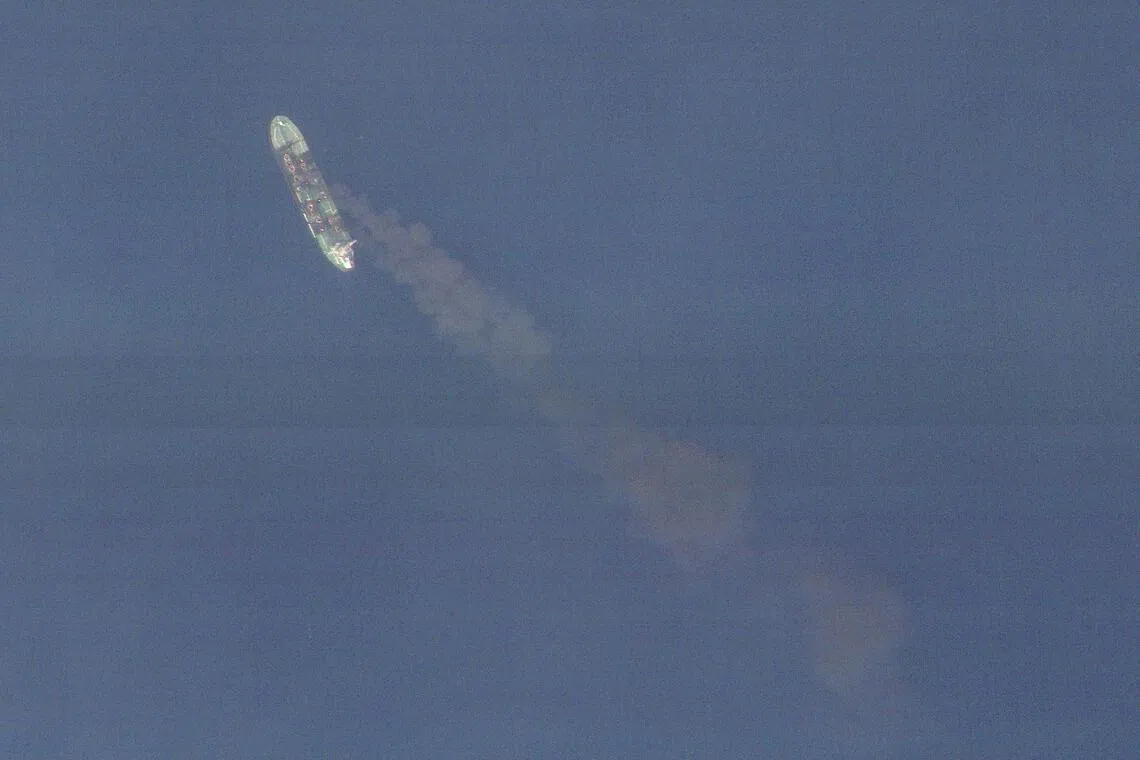
Shipping vessels are altering their routes in the Red Sea in response to threats from the Iran-aligned Houthi group. On July 20, the Houthis announced a naval blockade specifically targeting Saudi Arabia. This declaration has prompted maritime traffic to reroute, indicating a significant impact on global trade and security in the region. The Houthi's actions are part of a broader pattern of regional instability affecting key international waterways. The effectiveness and scope of the declared blockade remain to be fully assessed, but the immediate reaction from shipping companies highlights the sensitivity of the Red Sea as a vital transit point for global commerce. Further developments are expected as international bodies and maritime authorities monitor the situation and its implications for shipping lanes.
The Houthi declaration of a naval blockade against Saudi Arabia in the Red Sea introduces a significant geopolitical risk factor for global maritime trade. This action, if enforced, could disrupt one of the world's most critical shipping arteries, potentially leading to increased transportation costs and supply chain vulnerabilities. The strategic implications extend beyond immediate economic impacts, potentially influencing regional power dynamics and international maritime security protocols. The international community will likely face pressure to respond, balancing concerns for freedom of navigation with the complexities of regional conflicts and the potential for escalation. This event underscores the interconnectedness of geopolitical stability and global economic flows in the 21st century.
AI-generated to prompt reflection — not editorial opinion, not advice, not a statement of fact. How this works.