Red Sea Tanker Threat Levels Highest Since Iran War
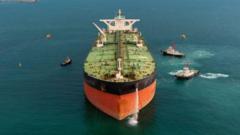
The threat level for oil tankers in the Red Sea has reached its highest point since the outbreak of the Iran-Iraq War. This escalation follows multiple attacks on vessels in the Red Sea. Some oil tankers have been rerouting through this waterway as an alternative to the Strait of Hormuz, which Iran previously blockaded. The increased danger in the Red Sea poses significant risks to global oil transport, potentially impacting supply chains and energy prices. The situation highlights the ongoing geopolitical tensions in the region and their direct effect on international maritime trade. The attacks underscore the vulnerability of critical shipping lanes to regional conflicts and assertive state actions.
The heightened risk to oil tankers in the Red Sea signifies a critical juncture for global energy security, reflecting the persistent volatility of maritime trade routes influenced by regional geopolitical dynamics. The rerouting of vessels away from established chokepoints like the Strait of Hormuz, in favor of alternative passages such as the Red Sea, demonstrates the complex risk-management calculus undertaken by shipping operators. This situation underscores the systemic challenge of ensuring the free flow of commerce when strategic waterways become theaters for state-sponsored or state-tolerated disruptions. Future considerations must involve enhanced international cooperation for maritime security and the development of more resilient supply chain infrastructures capable of mitigating the impact of such geographically concentrated risks.
AI-generated to prompt reflection — not editorial opinion, not advice, not a statement of fact. How this works.
