Red Sea tanker threats reach highest level since Iran-Iraq War
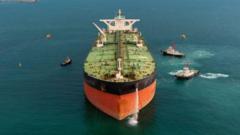
The threat level to oil tankers in the Red Sea has escalated to its highest point since the Iran-Iraq War, according to reports. Multiple vessels have been targeted in the Red Sea, a crucial alternative route for some oil tankers. These ships have been utilizing this waterway after Iran previously blockaded the Strait of Hormuz. The increased attacks in this vital shipping lane raise concerns about global oil supply stability and maritime security. The situation underscores the geopolitical sensitivities surrounding key energy transit points. The frequency and severity of these incidents are being closely monitored by international maritime authorities and energy market analysts. This development could potentially lead to increased shipping costs and insurance premiums for vessels operating in the region. The international community is likely to assess potential responses to ensure freedom of navigation and protect commercial shipping interests.
The heightened risk to oil tankers in the Red Sea signifies a critical juncture for global energy transit. This escalation, reminiscent of past conflicts, highlights the persistent vulnerability of maritime choke points to geopolitical tensions. The strategic importance of the Red Sea as an alternative to the Strait of Hormuz means that disruptions here have immediate and far-reaching implications for energy markets and international trade flows. Future security architectures for vital shipping lanes will need to balance freedom of navigation with the complex security dynamics of the involved regions, potentially requiring enhanced international cooperation and technological solutions to mitigate such threats.
AI-generated to prompt reflection — not editorial opinion, not advice, not a statement of fact. How this works.
