Red Sea Tensions Force Saudi Oil Tanker Carrying Oil for India to Turn Back
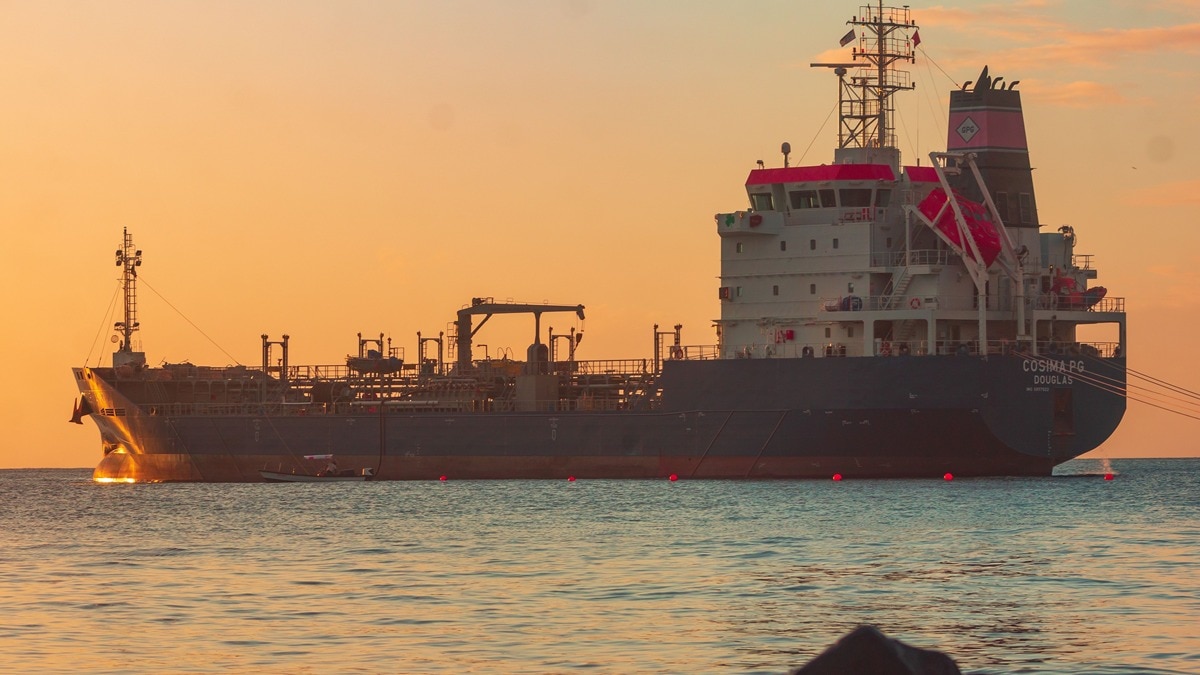
The Red Sea is now facing potential conflict, mirroring the situation in the Strait of Hormuz. Threats from Iran-backed Houthi rebels have introduced a new significant risk to global oil supplies. Two oil tankers, one bound for China and another for India, have been compelled to alter their course and turn back. This development is anticipated to increase shipping times, escalate costs, and place additional pressure on global oil prices. The escalating instability in this vital maritime route raises concerns for energy security and international trade. The Houthi actions highlight the vulnerability of key shipping lanes to geopolitical tensions. This incident underscores the interconnectedness of global energy markets and the impact of regional conflicts on international supply chains. The rerouting of these tankers signifies a potential disruption that could affect energy availability and affordability for major importing nations.
The rerouting of oil tankers due to Houthi threats in the Red Sea signifies a critical juncture for global energy logistics. This event highlights the systemic fragility of maritime trade routes, which are susceptible to geopolitical instability and non-state actor actions. The increased shipping times and costs associated with avoiding conflict zones will likely translate into higher energy prices for consumers, particularly impacting import-dependent nations like India and China. This situation underscores the need for diversified energy sourcing and robust international cooperation to ensure the security of vital shipping lanes. The long-term implications may drive further investment in alternative transportation methods and a reassessment of supply chain resilience in the face of escalating regional conflicts.
AI-generated to prompt reflection — not editorial opinion, not advice, not a statement of fact. How this works.