Rede Bahia Launches 2026 Election Coverage with Debates and Interviews
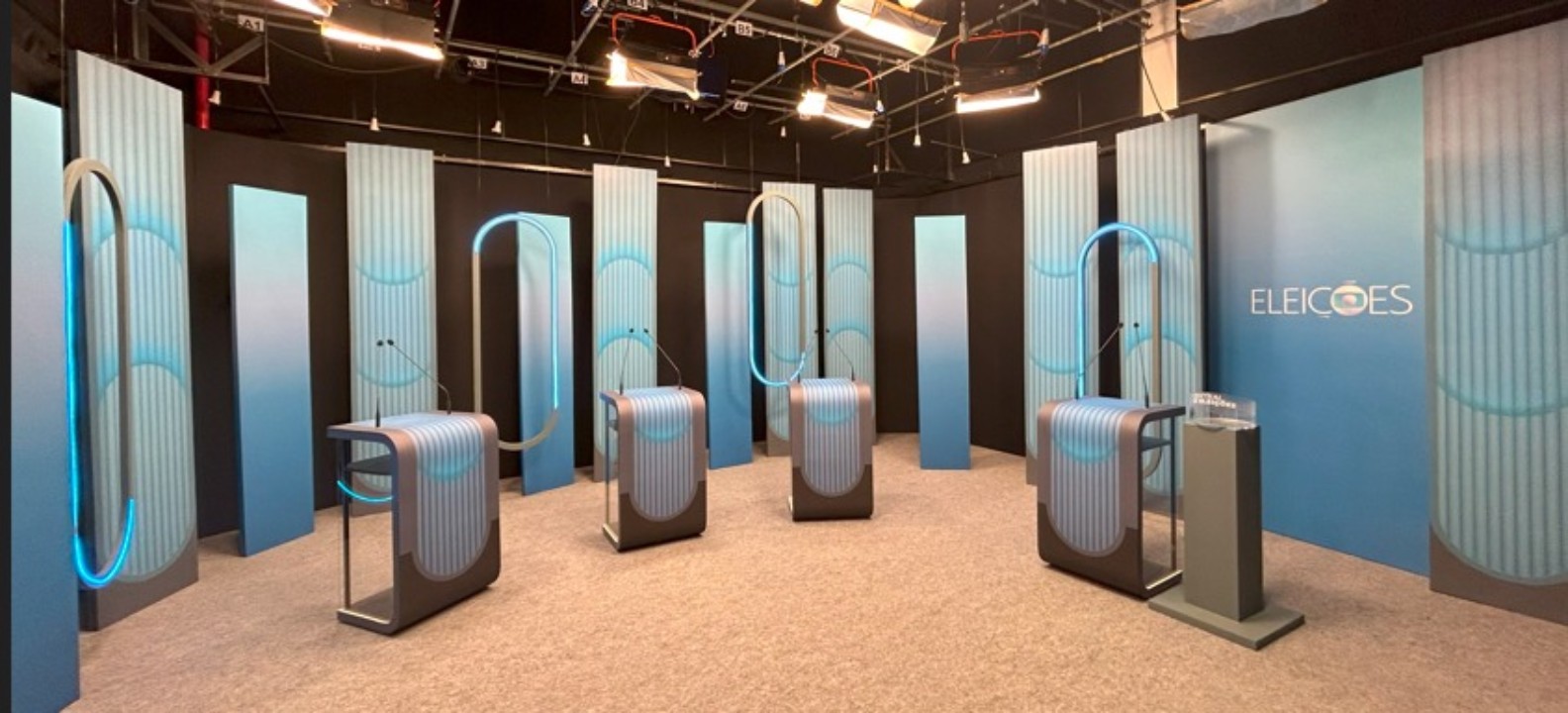
Rede Bahia is commencing its comprehensive coverage of the 2026 elections on Monday, July 20th. The media group's Election Central will feature interviews, debates, and polls accessible across TV Bahia, its affiliated stations, g1 Bahia, and Bahia FM. New this year are radio interviews on Bahia FM's programs "Resenha das 7" and "Boa Noite Bahia," hosted by Vanderson Nascimento and Fernando Sodake, respectively. Christiano Caldeira, Rede Bahia's Director of Journalism, emphasized that this initiative aims to provide voters in both the capital and interior regions with extensive electoral information to facilitate informed decision-making. The coverage begins with pre-candidate interviews for the state government on "Resenha das 7" from July 20th to 23rd, with the order determined by a party representative lottery. A second round of interviews for officially nominated candidates will occur from August 10th, broadcast live on Rede Bahia's digital channels. Television interviews with gubernatorial candidates will air on "Bahia Meio Dia" starting September 14th, moderated by Vanderson Nascimento and Andréa Silva. Additionally, the "Bahia na Palma da Mão" project will feature technologically enhanced interviews with Salvador mayoral candidates in September, hosted by Fernando Sodake. Debates are also scheduled, including a gubernatorial debate on Bahia FM in August and specific debates for Senate and Vice-Governor candidates on August 18th and 20th, respectively, to be streamed on g1 Bahia and Bahia FM's digital platforms. The final gubernatorial debate before the election will be broadcast on Rede Bahia on September 29th, moderated by Zileide Silva of TV Globo. Beyond these core events, Rede Bahia will present diverse journalistic content, including development challenges in the "Que Bahia é essa?" series and public opinion specials like "Se eu fosse governador," alongside exclusive polls commissioned from Quaest Pesquisa e Consultoria.
Rede Bahia's extensive electoral coverage strategy, spanning radio, television, and digital platforms, aims to maximize voter engagement and information dissemination. By employing a multi-platform approach and incorporating technological advancements for interviews, the network seeks to cater to diverse audience preferences and enhance the depth of political discourse. The structured schedule of interviews and debates, with order determined by lot, attempts to ensure procedural fairness. However, the ultimate impact on voter decision-making will depend on the quality of journalistic inquiry, the candidates' ability to articulate their platforms, and the audience's critical engagement with the presented information. Future electoral coverage might benefit from exploring innovative digital formats that foster direct citizen participation and accountability beyond traditional broadcast methods, particularly as AI capabilities evolve to analyze public sentiment and information consumption patterns.
AI-generated to prompt reflection — not editorial opinion, not advice, not a statement of fact. How this works.