Rede/Psol Federation Nominates Indigenous Leader Isael Munduruku for Amazonas Governor
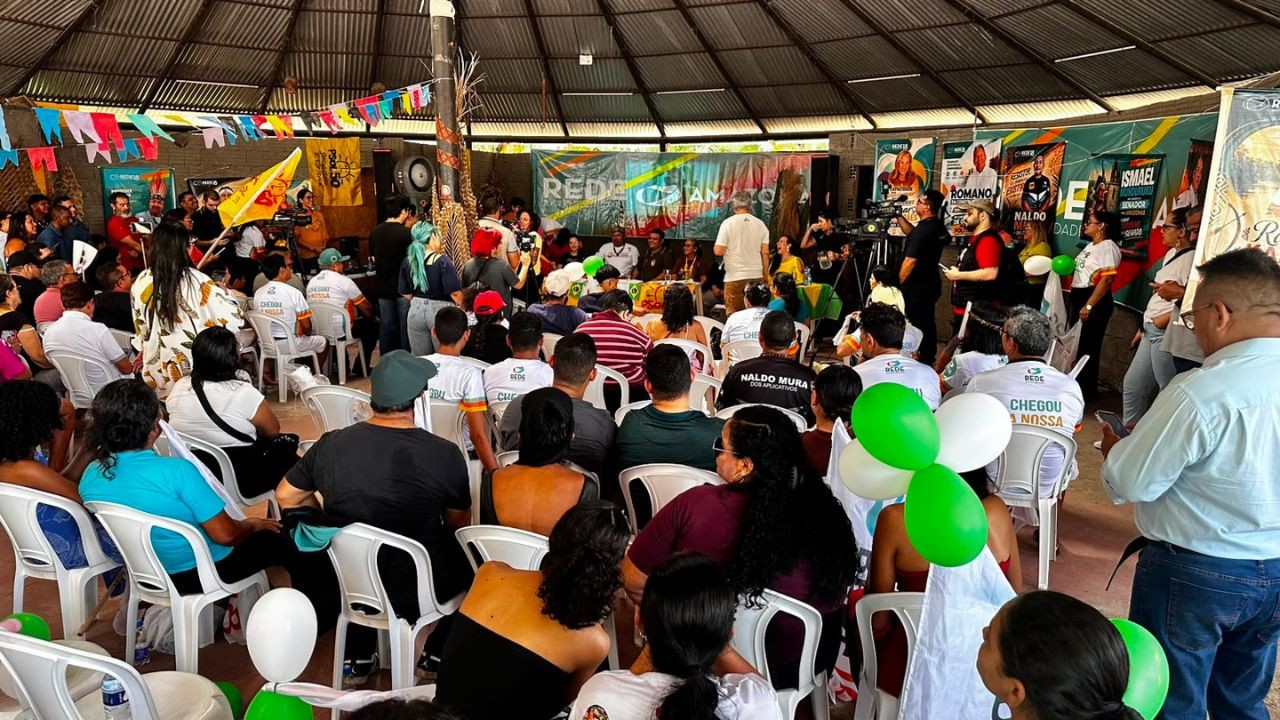
The Rede Sustentabilidade/Psol Federation has officially nominated Isael Munduruku as its candidate for governor of Amazonas. The decision was formalized during a convention held on Saturday, July 1st, at the Maloca do Parque das Tribos in Manaus. Munduruku, an indigenous leader and cacique-geral of Parque das Tribos, which is recognized as Brazil's largest urban indigenous community, is an attorney by profession. The convention also approved Leo Balbi as the vice-governor candidate, and Professora Evany and Ismael Munduruku (both from Rede) as candidates for the Senate. Munduruku stated that his candidacy represents a historic moment for indigenous peoples and aims to address state-wide issues, including the Manaus Free Trade Zone, logistical challenges, the BR-319 highway, the marginalization of minorities in decision-making processes, and the needs of both urban and rural Amazonian residents. He emphasized that their platform serves the broader interests of the state. The convention process is crucial for party members to select candidates, with a deadline of August 5th for finalization and August 15th for registration with the Superior Electoral Court (TSE). Official campaigning begins on August 16th. Brazilians will vote for president, governor, senators (two per state), federal deputies, and state deputies in the upcoming elections on October 4th. Isael Munduruku is a co-founder of Parque das Tribos and previously served as president of the Indigenous Peoples' Rights Commission at the Amazonas section of the Brazilian Bar Association (OAB-AM).
The nomination of Isael Munduruku, an indigenous leader and attorney, by the Rede/Psol Federation for the governorship of Amazonas highlights a strategic effort to mobilize indigenous and minority voting blocs. This candidacy signals a potential shift in political representation, aiming to address long-standing issues such as infrastructure development (BR-319) and economic policies (Manaus Free Trade Zone) through a lens informed by indigenous concerns. The inclusion of Munduruku's specific expertise in indigenous rights and his leadership within a prominent urban indigenous community suggests a platform designed to resonate with marginalized populations. Future electoral dynamics in Amazonas may increasingly reflect the influence of such identity-based candidacies, challenging traditional political structures and forcing broader parties to engage with previously overlooked constituent groups. This trend could foster greater accountability and more inclusive policy-making, provided the political will exists to translate campaign promises into tangible governance improvements over the next decade.
AI-generated to prompt reflection — not editorial opinion, not advice, not a statement of fact. How this works.