Reducing protein intake may boost health and longevity, study suggests
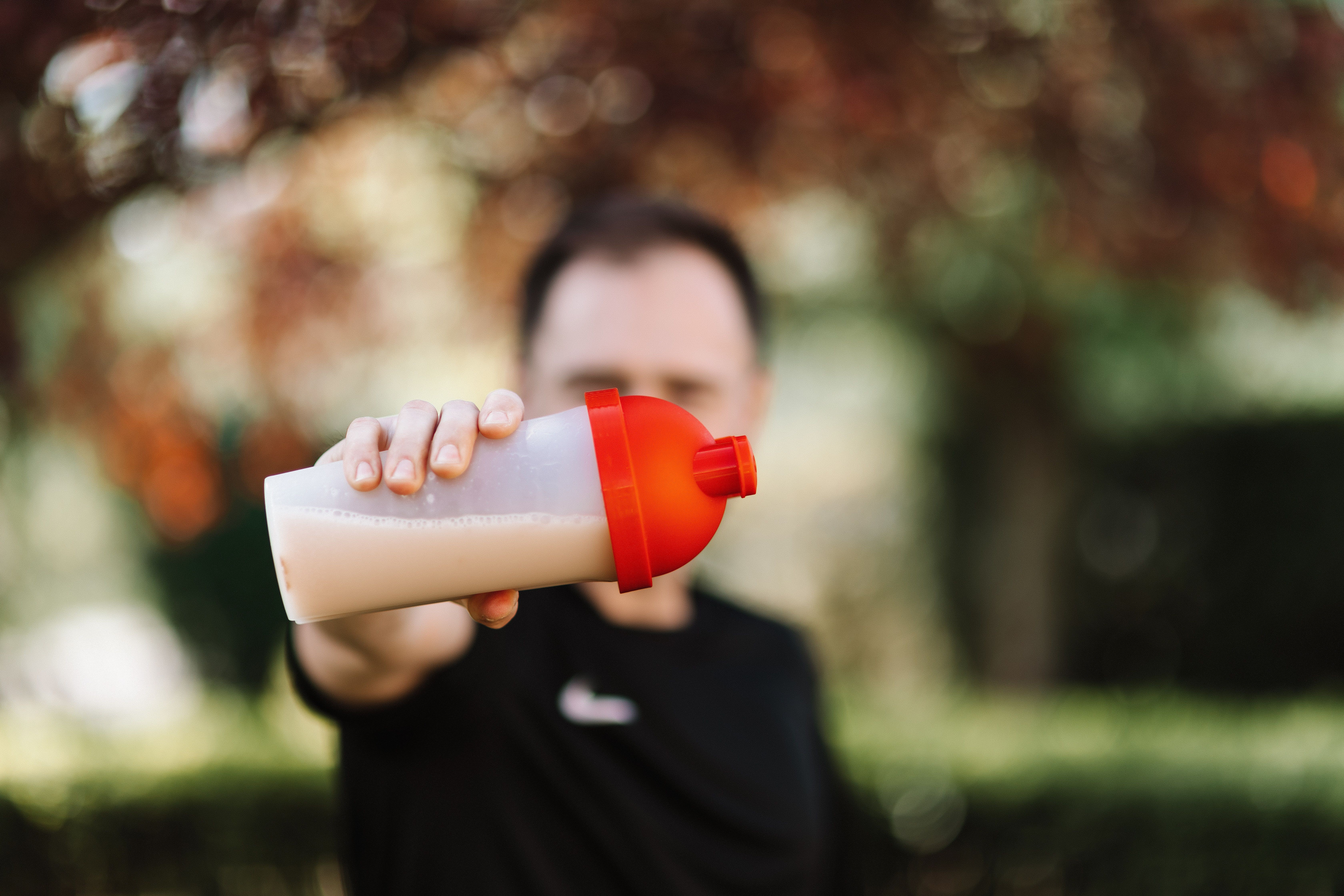
A comprehensive review of over 350 scientific studies, published in "Cell Press Blue," indicates that for a significant portion of the population, consuming less protein could offer health benefits and potentially extend lifespan. While protein shakes and bars are widely marketed as healthy, this research suggests that a lower protein intake may slow the aging process by improving metabolism, altering cellular responses to nutrients, reducing cellular damage, and preserving healthy cell function.
Researchers found that protein restriction in studies involving flies and rodents was associated with increased longevity, even without reducing overall calorie intake. Recent human clinical trials also showed that individuals consuming less protein experienced reductions in body weight, body fat, and improved fasting blood glucose levels, even when their caloric intake was higher. Mechanisms such as increased levels of the hormone FGF21, which may boost energy expenditure and reduce inflammation, and the role of specific amino acids like methionine, isoleucine, and valine are being investigated.
However, the authors emphasize that these findings do not advocate for a universally low-protein diet. They acknowledge that higher protein intake can be beneficial for weight loss and muscle mass preservation in older adults engaged in physical activity, and that certain groups like pregnant women and the elderly have higher protein needs. Athletes, who often consume large amounts of protein, may be protected from negative metabolic effects by regular exercise. The study suggests that personalized protein recommendations, considering age and physical activity levels, are crucial for sedentary adults.
This extensive review challenges the prevailing narrative that higher protein consumption is universally beneficial, particularly for sedentary individuals. By highlighting potential negative health consequences of excessive protein intake and linking reduced consumption to longevity markers in various organisms, the research prompts a re-evaluation of dietary guidelines. The findings underscore the importance of personalized nutrition, suggesting that optimal protein intake is contingent on factors like age and activity level, rather than a one-size-fits-all approach. This perspective aligns with emerging trends in precision medicine and the growing understanding of complex metabolic pathways. Moving forward, the focus may shift from macronutrient quantity to the quality and timing of nutrient intake, considering individual genetic predispositions and lifestyle.
AI-generated to prompt reflection — not editorial opinion, not advice, not a statement of fact. How this works.