Refinery Bottlenecks Drive Up Fuel Prices Amidst Global Tensions
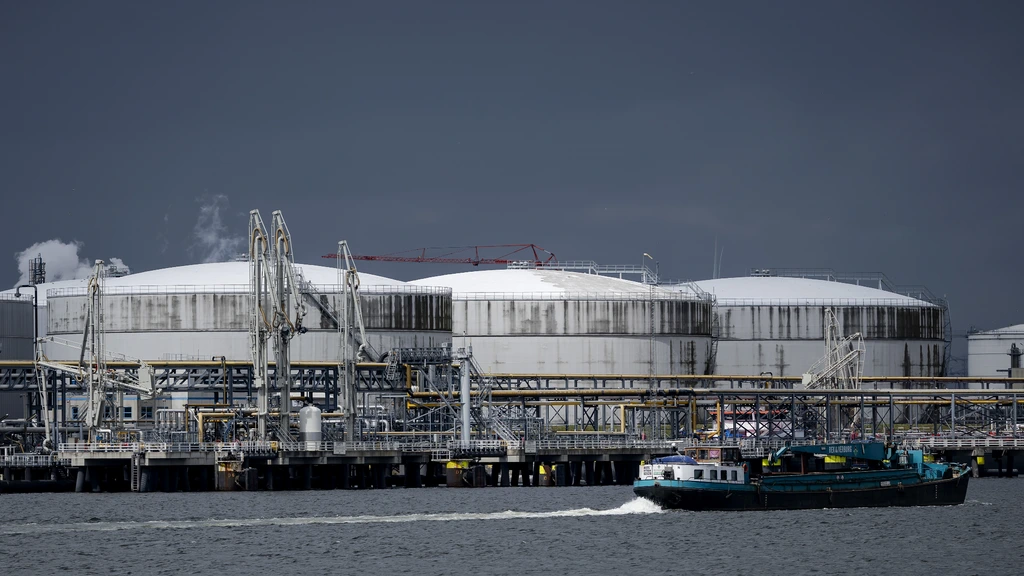
Consumers are experiencing significant increases in gasoline and diesel prices, driven by a confluence of geopolitical events and market dynamics. The cost of refining crude oil into fuels has surged dramatically, with the price per liter for gasoline rising from approximately 6 cents pre-conflict to 22 cents, and for diesel from 16 cents to 37 cents. These increases are partly attributed to the ongoing conflict involving Iran, which has disrupted oil supplies through the Strait of Hormuz. Crude oil prices have been volatile, fluctuating between roughly $70 and $118 per barrel, and currently stand near $95.
The "Iran War" has led to reduced refinery operations in the Gulf region, causing refined oil to be difficult to export despite full storage facilities. Compounding this, the Russia-Ukraine war has impacted global diesel supply. Ukraine's drone attacks on Russian refineries have created domestic shortages, halting most Russian oil exports. While EU sanctions already limited Russian oil to Europe, this reduction affects global diesel prices as countries like India and Turkey, major buyers, now seek alternative sources, indirectly influencing European markets. Additionally, China has prioritized imports and restricted exports of refined oil, further tightening global supply.
Europe has seen a significant decline in refinery capacity, with 30 of about 100 refineries closing since 2009 due to unprofitability. However, current shortages of refined products, rather than crude oil itself, have made refineries highly profitable in the short term, evidenced by a "sky-high" crack spread. Fuel prices are expected to remain elevated due to these refinery bottlenecks and the rising cost of crude oil, with Dutch refineries near Rotterdam operating at maximum capacity to adjust production towards diesel and kerosene, though this offers only a temporary buffer.
Geopolitical conflicts in the Middle East and Eastern Europe are creating significant supply chain disruptions in the global oil market, particularly impacting refining capacity and the cost of refined products like gasoline and diesel. The closure of key shipping routes and direct attacks on refining infrastructure reduce the availability of refined fuels, while simultaneously increasing the cost of processing crude oil. This situation highlights the fragility of global energy markets to regional instability and the strategic importance of refining capacity. The market's response, characterized by soaring crack spreads, demonstrates how scarcity can rapidly transform previously unprofitable assets into lucrative ones, incentivizing short-term operational maximization. However, the long-term implications of reduced European refining capacity and the increasing reliance on a few key global suppliers warrant careful consideration for energy security and price stability in the coming decade.
AI-generated to prompt reflection — not editorial opinion, not advice, not a statement of fact. How this works.