Reflecting on Katlehong's Turbulent Past and Historical Memory
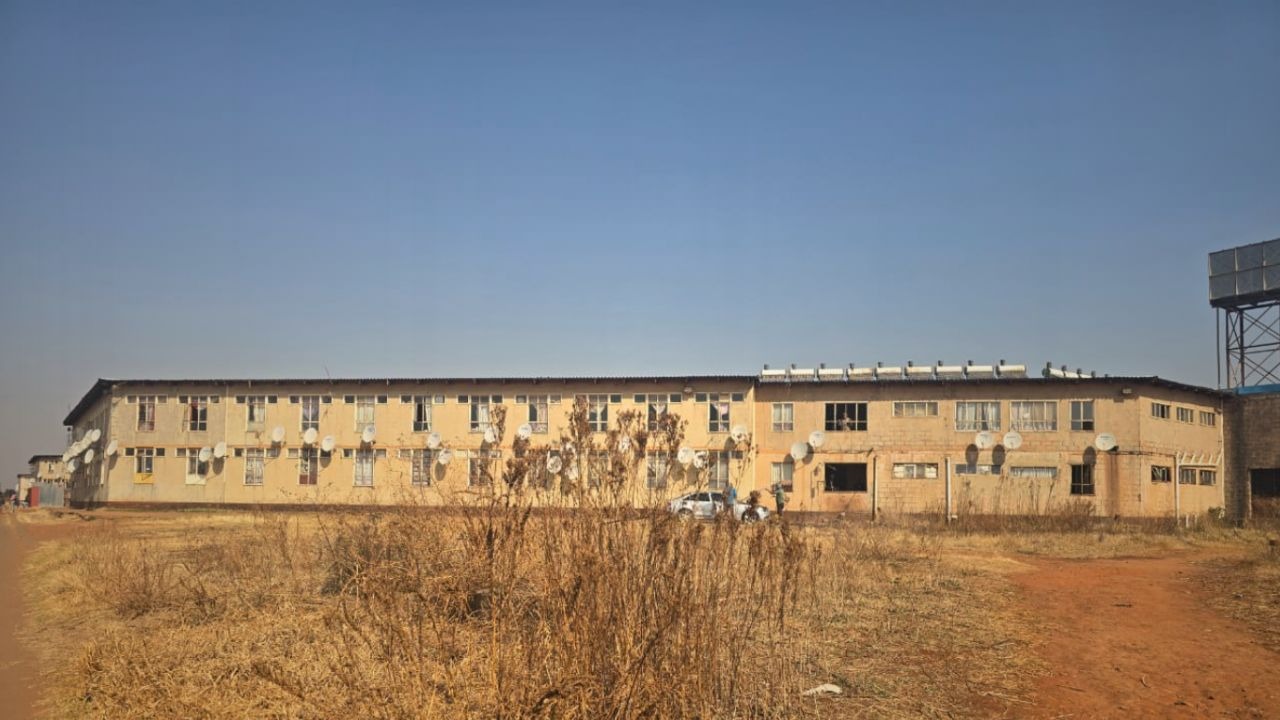
This op-ed reflects on the nature of historical memory, particularly concerning the turbulent period when Katlehong experienced conflict. The author suggests that history often reverberates imperfectly, with memories being fragmented, pieced together, and ultimately forged into a semblance of truth. The piece delves into the personal recollections of this era, highlighting the subjective and often incomplete way in which past events are understood and transmitted. It emphasizes that historical narratives are not static but are continuously reconstructed through individual and collective memory. The author uses the example of Katlehong's past to illustrate broader points about how societies grapple with their histories, the challenges of achieving an objective account, and the enduring impact of conflict on collective consciousness. The piece serves as a meditation on the construction of historical narratives and the personal significance they hold.
This reflection on Katlehong's past highlights the subjective and fragmented nature of historical memory. It prompts consideration of how societal narratives are constructed, particularly in the aftermath of conflict. The piece underscores the challenge of reconciling individual recollections with broader historical accounts, suggesting that 'truth' in history is often a composite rather than a singular fact. Future analysis could explore the systemic factors that influence memory formation and the potential for technology, such as AI-driven historical analysis, to offer new perspectives while acknowledging the inherent limitations of any single viewpoint in capturing the full spectrum of human experience.
AI-generated to prompt reflection — not editorial opinion, not advice, not a statement of fact. How this works.