Refrigeration Guide: Which Foods Benefit from the Cold, and Which Should Stay Out?
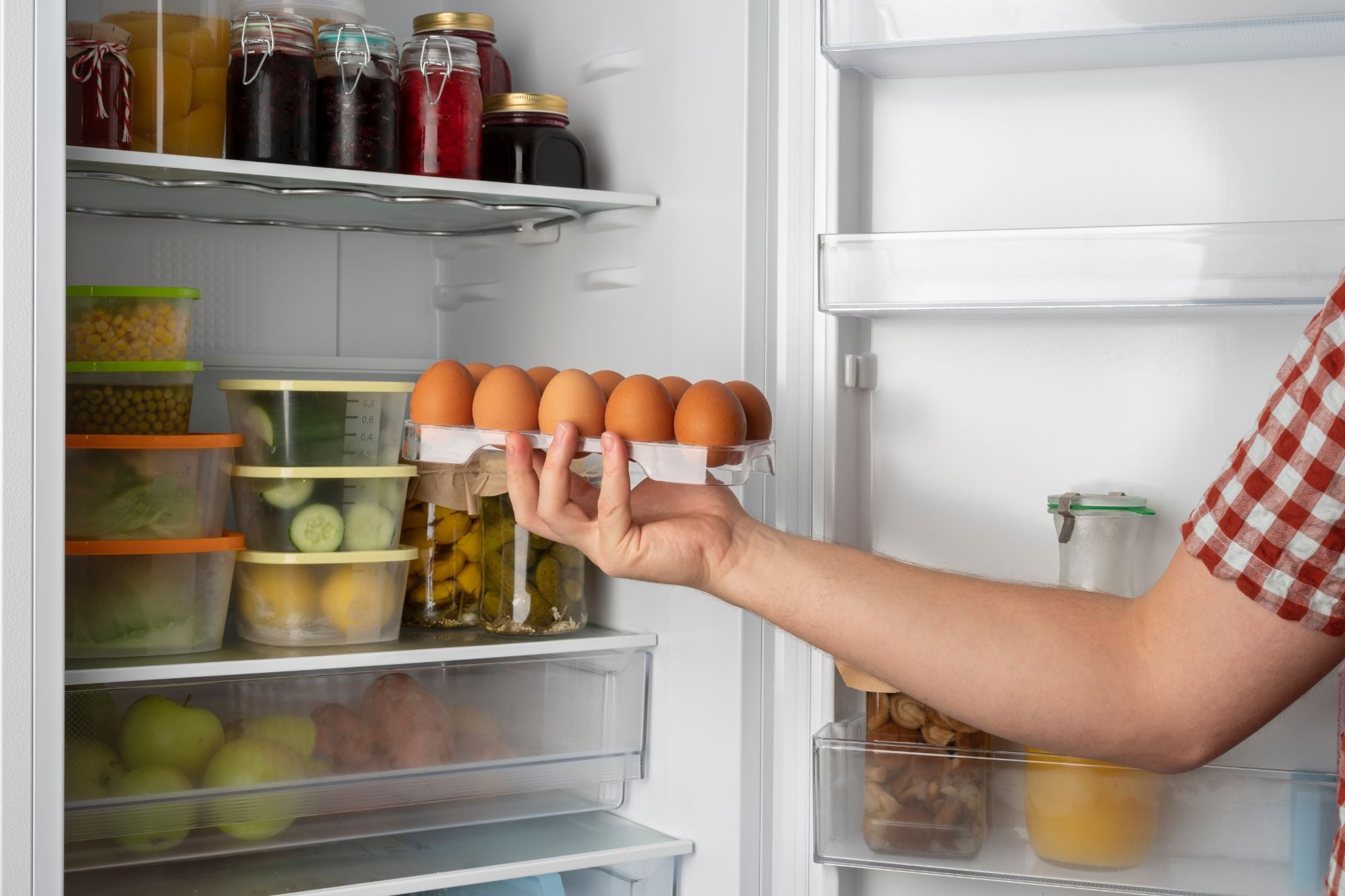
Not all foods react the same way to a drop in temperature, and understanding proper storage can help maintain quality and reduce waste. This guide clarifies which items benefit most from refrigeration and which are best left at room temperature.
Certain fruits and vegetables, such as berries, leafy greens, and broccoli, thrive in the cold and should be stored in the refrigerator to slow down ripening and prevent spoilage. Conversely, items like tomatoes, bananas, and avocados are sensitive to cold and can develop undesirable textures or flavors when refrigerated. These are better kept on the counter until ripe, and then potentially moved to the fridge for a short period if needed.
Understanding these differences is crucial for effective food storage. Improper refrigeration can lead to premature spoilage, loss of nutrients, and changes in taste and texture, ultimately contributing to food waste. By following these guidelines, consumers can ensure their produce stays fresh for longer and maintain optimal quality.
The optimal storage of perishable goods is a complex interplay of biological processes and environmental factors. While refrigeration extends the shelf life of many items by slowing enzymatic activity and microbial growth, certain produce exhibits 'chilling injury' when exposed to low temperatures. This phenomenon, characterized by cellular damage and metabolic disruption, underscores the need for nuanced storage strategies tailored to specific food types. As food supply chains become increasingly globalized and consumer awareness of food waste grows, developing more sophisticated, data-driven storage recommendations could significantly enhance food security and resource efficiency. Future innovations may involve smart packaging or localized climate control systems to further optimize preservation.
AI-generated to prompt reflection — not editorial opinion, not advice, not a statement of fact. How this works.