Regaining Sleep Routine After the Football World Cup
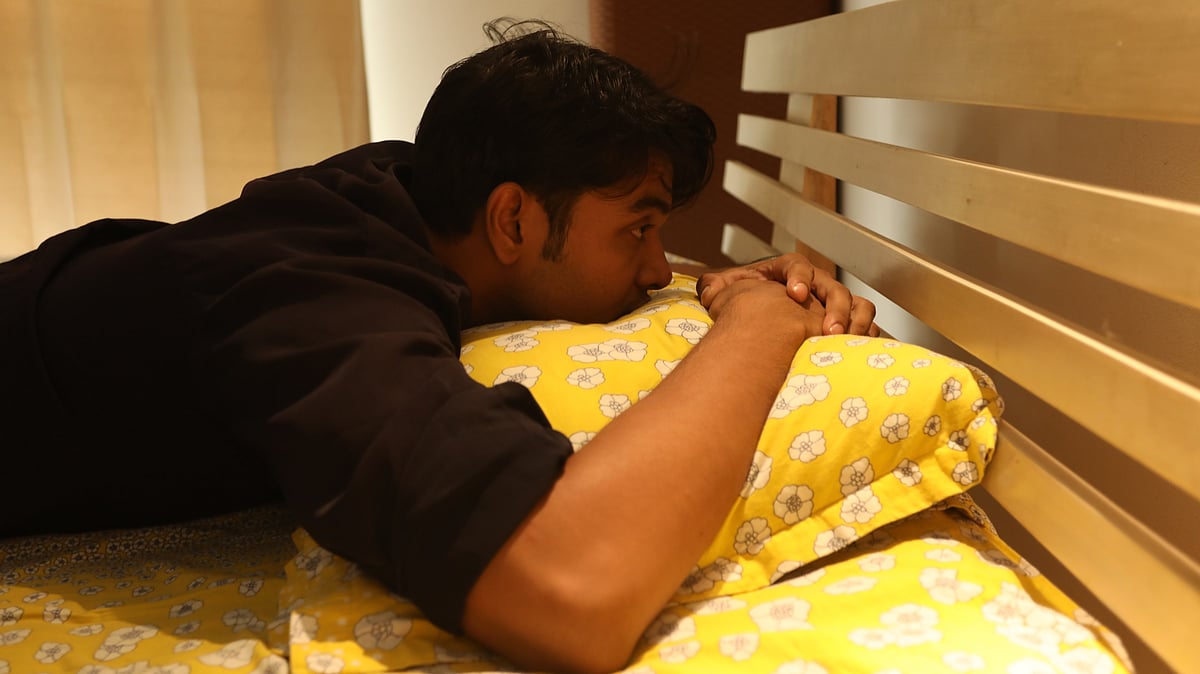
The global football festival has concluded, leaving many individuals with disrupted sleep schedules. Most matches were watched late into the night or early morning, impacting daily routines like classes and work. While the final whistle has blown, the body's internal clock may struggle to readjust to a normal rhythm, potentially causing sleep difficulties. Several small habits can help restore a healthy sleep pattern.
Prioritizing a consistent wake-up time is crucial for resetting the body's circadian rhythm. Instead of focusing on bedtime, aim to wake up at the same time each morning. Gradually shifting bedtime earlier, by about 20 minutes every five days, can help establish a sustainable sleep routine over approximately three weeks. Exposure to natural morning light within an hour of waking signals the body to reduce melatonin production and increase cortisol, promoting alertness. Limiting caffeine intake, especially after 3 PM, is advisable as its effects can linger for hours. Preparing for sleep by creating a relaxing pre-bedtime routine, such as reading or talking with family, and avoiding screens in the bedroom, can signal the body it's time to rest. Regular physical activity, like a 30-minute walk, is beneficial, but strenuous exercise close to bedtime should be avoided as it can interfere with sleep onset.
The conclusion of major global events like the Football World Cup often highlights the human body's susceptibility to disruptions in circadian rhythms. This situation underscores the importance of understanding and managing biological clocks, particularly in an era where digital connectivity and globalized entertainment can easily override natural sleep-wake cycles. The advice provided focuses on behavioral adjustments, which are effective but also reveal a broader societal challenge: balancing modern lifestyles with fundamental biological needs. Future societal structures may need to integrate more flexible work and social schedules to better accommodate these inherent human rhythms, especially as technology continues to blur the lines between work, leisure, and rest.
AI-generated to prompt reflection — not editorial opinion, not advice, not a statement of fact. How this works.