Regent Chairman Shahed Sent to Jail Over BDT 2.16 Crore Check Dishonor Case
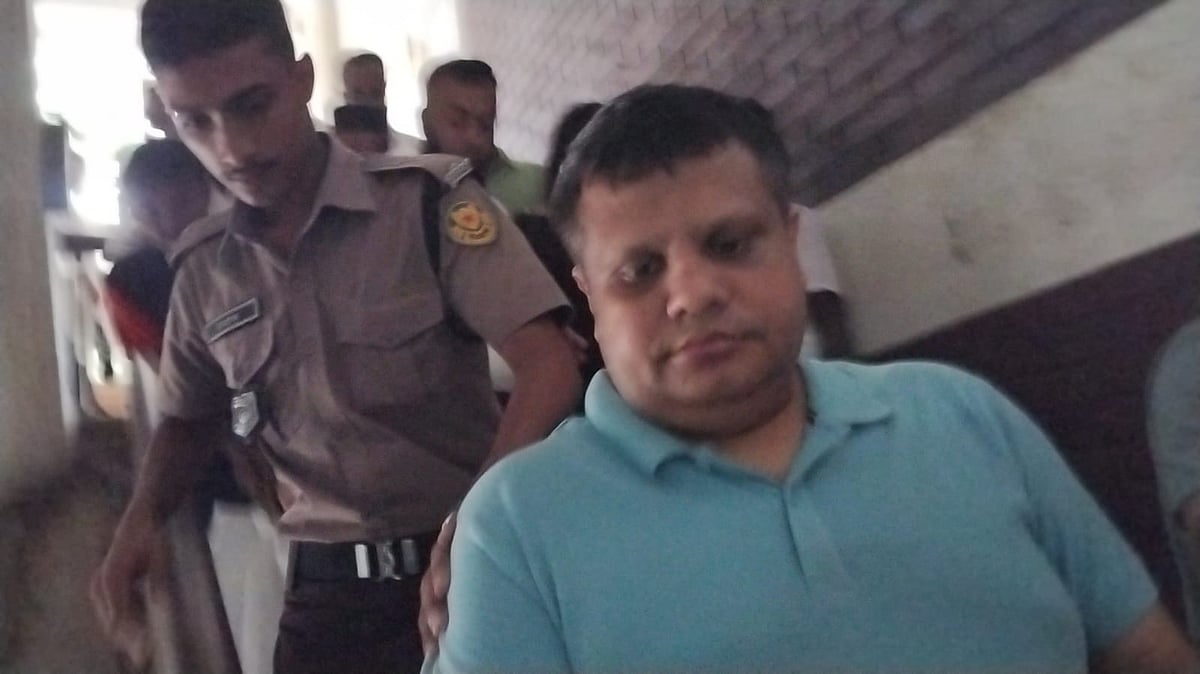
Mohammad Shahed, chairman of Regent Hospital, has been ordered to be sent to jail by a Dhaka court in connection with a check dishonor case involving BDT 2.16 crore from Mercantile Co-operative Bank. The order was issued by Joint Metropolitan Sessions Judge Court-5 on Monday afternoon after a hearing. Shahed's lawyer, Mohammad Dabir Uddin, confirmed the development, stating that Shahed was already serving a four-and-a-half-year sentence in another case when this case was filed, and was not initially arrested for it. The court later sentenced him to one year imprisonment and a fine of BDT 2.16 crore on May 4, 2025. Shahed's legal team plans to appeal this verdict, as he was reportedly unaware of the sentencing warrant. The case originated in 2015 when Shahed took a BDT 2.16 crore loan from Mercantile Co-operative Bank for business purposes, providing a check of the same amount as security. When the loan was not repaid, the bank presented the check, which was dishonored. A legal notice was sent to Shahed and others on February 5, 2015, and received on February 9. Despite the notice, the money was not repaid within the stipulated time, leading the bank to file a case under section 138 of the Negotiable Instruments Act, 1881. The case was later transferred to the Metropolitan Sessions Judge Court. The court also sentenced Regent's Managing Director Ibrahim Khalil to a similar punishment, but he remains at large, according to Shahed's lawyer. Shahed was apprehended by police on Monday afternoon near the ECB square in Dhaka and subsequently handed over to Pallabi Police Station before being presented in court. While being taken to the police custody, Shahed claimed his arrest was staged and that Mercantile Bank is fraudulent, calling its owner a swindler.
The arrest and subsequent jailing of Mohammad Shahed in the check dishonor case highlight ongoing issues with financial accountability and the enforcement of legal judgments in Bangladesh. While the legal process appears to be moving forward, the defendant's claims of a "fake case" and "terrorist-style" arrest, coupled with accusations against the bank, warrant scrutiny of the underlying financial and legal mechanisms. The case also raises questions about the effectiveness of the justice system in ensuring timely resolution and preventing individuals from evading consequences, particularly when they are already incarcerated for other offenses. The lengthy duration from the loan's inception in 2015 to the sentencing in 2025 suggests potential systemic delays. Future considerations should focus on strengthening oversight of financial institutions and streamlining judicial processes to ensure fairness and deter financial misconduct.
AI-generated to prompt reflection — not editorial opinion, not advice, not a statement of fact. How this works.