Regional Entrepreneurs to Take Over Loss-Making Twente Airport
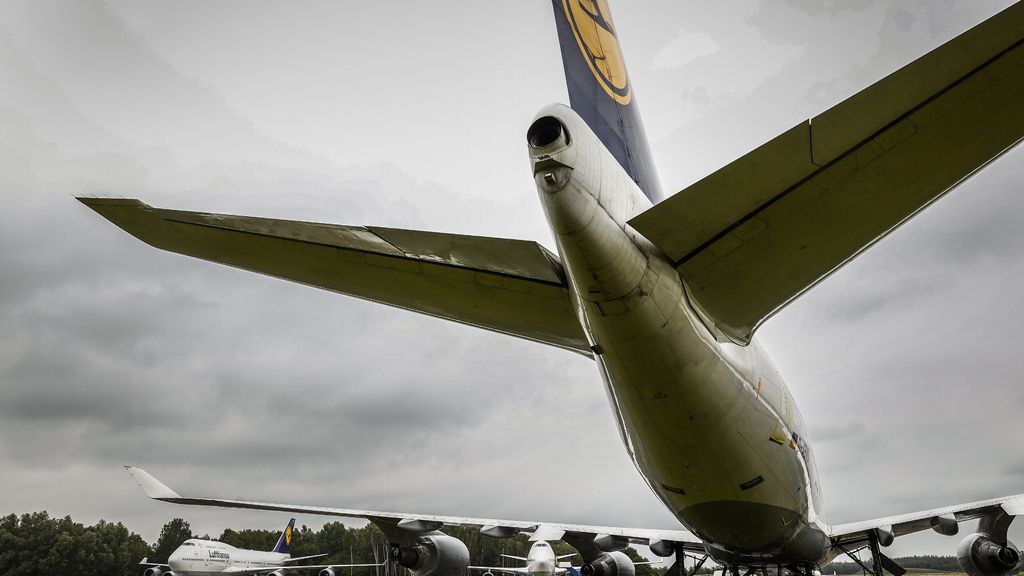
A group of regional entrepreneurs will definitively take over the operation of the loss-making Twente Airport, located near Enschede. The province of Overijssel has agreed to lease the airport, which has been owned by the province and the municipality of Enschede since its reopening in 2017. The airport has incurred annual losses since its relaunch, prompting the province to seek an exit as a co-owner. Provincial council member Sybren Stelpstra described the situation as a "financial bleeding" that cannot be stopped while the airport remains under public ownership, with Fred Kerkhof (JA21) adding that current operations represent "throwing money into a bottomless pit." The plan is for the entrepreneurs to begin operating the airport from next year. The province of Overijssel will contribute €5.7 million towards the renovation of the 3-kilometer runway, which has an estimated cost of at least €10 million. The entrepreneurs will cover one-third of the renovation expenses, and the municipality will also provide funding. Despite initial reservations from coalition parties like GroenLinks and PvdA regarding further public investment, they agreed to the plan, partly on the condition that the entrepreneurs inject €3 million in start-up capital. This proposal originated from the regional entrepreneurs themselves. Initially, they will lease the airport, with the intention of becoming owners in a few years. Twente Airport primarily facilitates business flights, long-term aircraft parking, aircraft dismantling, and test flights. The Dutch Ministry of Defence also conducts exercises at the former airbase. Holiday flights are not considered due to research indicating they would be more costly than profitable.
The decision to transfer Twente Airport's operations to regional entrepreneurs reflects a common challenge in public-private partnerships for infrastructure: balancing public service goals with financial sustainability. The province's withdrawal as a co-owner, citing continuous losses, suggests a need for a more market-driven operational model. The requirement for significant private capital injection and a phased ownership transfer indicates a strategy to mitigate public financial risk while incentivizing entrepreneurial management. Future success will likely depend on the entrepreneurs' ability to identify and capitalize on niche aviation markets, such as business aviation and specialized aircraft services, avoiding the financial pitfalls of less profitable ventures like mass tourism. This transition highlights the ongoing tension between regional development aspirations and the fiscal realities of maintaining specialized public assets in a competitive global aviation landscape.
AI-generated to prompt reflection — not editorial opinion, not advice, not a statement of fact. How this works.