Regional Governance Weaknesses Exposed by Storms
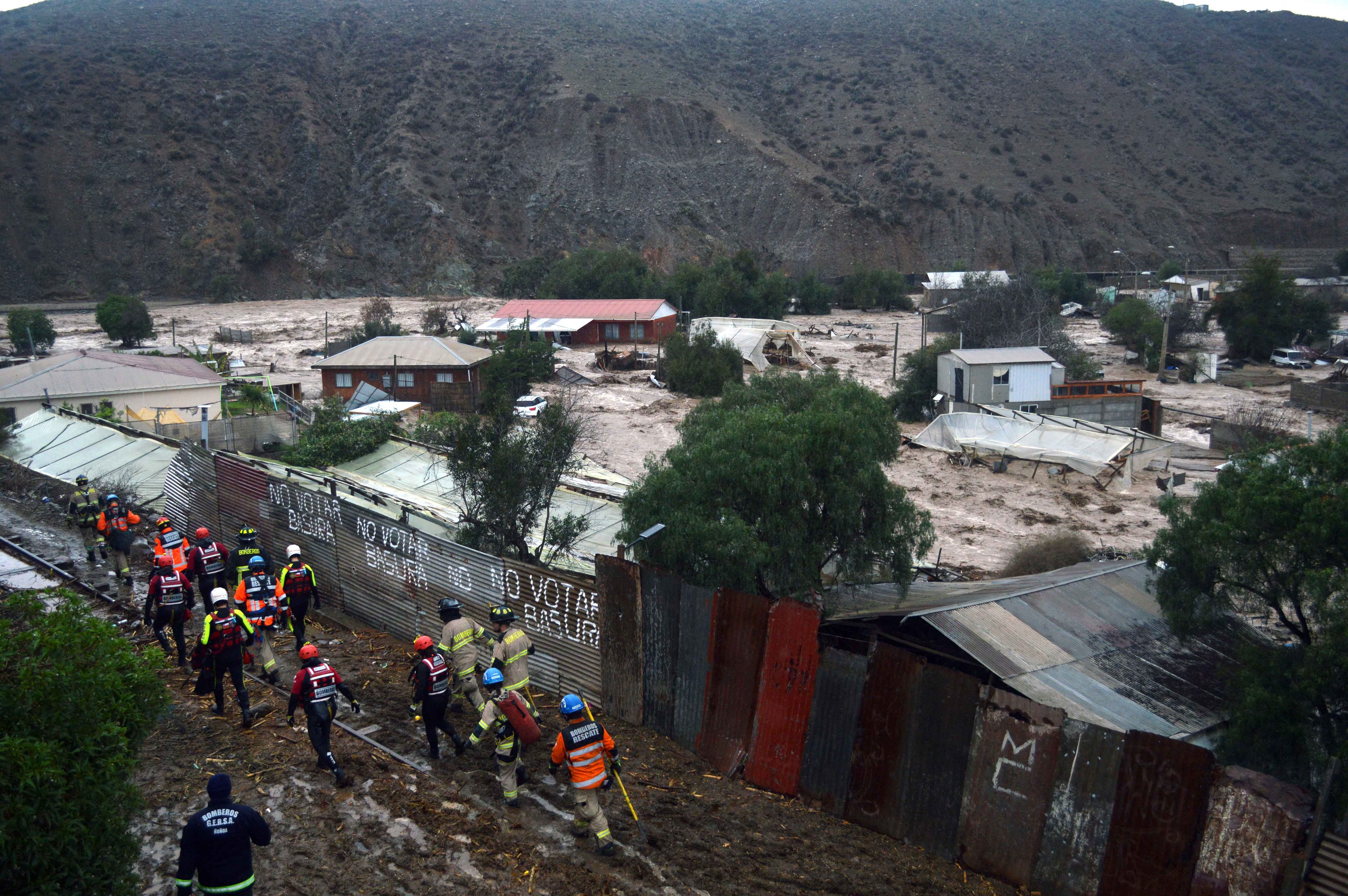
Recent storms have highlighted significant shortcomings in Chile's decentralized institutional framework, particularly concerning regional governance. The Governor of Biobío, Sergio Giacaman, points out that regional governments possess insufficient authority despite enjoying popular support and possessing intimate knowledge of local realities and urgent needs. A major concern is that regional authorities can only manage 2% of the 5% of the budget allocated for disaster response, with the remaining 3% remaining under the control of the central government. Giacaman finds it illogical and inefficient that the regional governor does not lead the Regional Committee for Disaster Risk Management (COGRID), given their direct understanding of local conditions. The public has clearly expressed their preference for regional governors as their representatives through their votes. Disconnecting decision-making from these elected officials, especially during emergencies, undermines representation and decision-making efficiency. While acknowledging the presence of President Kast and ministers on the ground, Giacaman stresses the need for a robust institutional design that transcends individual leadership. The debate over regionalization remains unresolved, with overlapping functions and bureaucratic decision-making processes hindering progress. The current crisis presents an opportunity to address these systemic issues, starting with clarifying where emergency-related decisions should be made.
The recent storms have illuminated a structural tension within Chile's decentralized governance model, revealing a disconnect between the electoral mandate granted to regional governors and their actual operational authority. The concentration of disaster response funding and decision-making at the central government level, despite regional leaders' proximity to local needs, suggests a governance framework that may not be optimally aligned with crisis management efficiency. This dynamic could stem from historical institutional designs prioritizing centralized control or from ongoing debates regarding the precise division of powers in a decentralized system. Moving forward, policymakers face the challenge of designing or refining institutional mechanisms that empower regional actors with the necessary resources and decision-making latitude to respond effectively to local emergencies, without compromising national coordination or fiscal oversight. This requires a careful balancing act to ensure both responsiveness and accountability in disaster preparedness and response.
AI-generated to prompt reflection — not editorial opinion, not advice, not a statement of fact. How this works.