Regret Over 300 Million VND Car Loan Leads to Frequent Returns Home
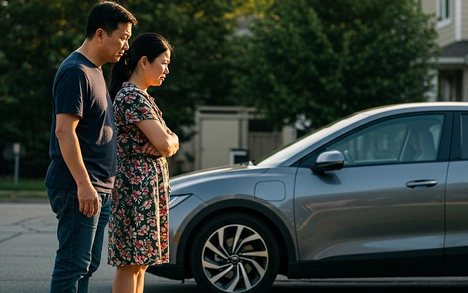
A person in Vietnam expresses deep regret after borrowing 300 million Vietnamese Dong (VND) to purchase a car, only to find themselves returning to their hometown three times a year. The individual initially felt compelled to buy the vehicle, believing it was a necessity. However, after acquiring the car, they realized their financial planning was inadequate. The decision to take on a significant loan for the automobile has led to financial strain and a reevaluation of their priorities. The frequent trips back home, while perhaps fulfilling a personal need, highlight the unexpected costs and lifestyle adjustments associated with the car ownership. This situation underscores a common dilemma where immediate desires can lead to long-term financial burdens and unforeseen consequences.
The decision to finance a significant purchase like an automobile, especially with a loan of 300 million VND, often involves a trade-off between immediate utility and long-term financial health. This case illustrates how initial impulses, driven by perceived needs or societal expectations, can lead to financial commitments that do not align with sustainable personal budgeting. The subsequent realization of inadequate planning suggests a potential disconnect between the perceived benefits of the asset and its actual carrying costs, including depreciation, maintenance, fuel, and loan interest. Looking ahead, individuals facing similar decisions would benefit from a more rigorous cost-benefit analysis, considering not just the purchase price but the total cost of ownership over the asset's lifecycle, and how it impacts broader financial goals and lifestyle choices.
AI-generated to prompt reflection — not editorial opinion, not advice, not a statement of fact. How this works.
