Regulatory Glitch May Offer Free Waymo Rides in California for Limited Time
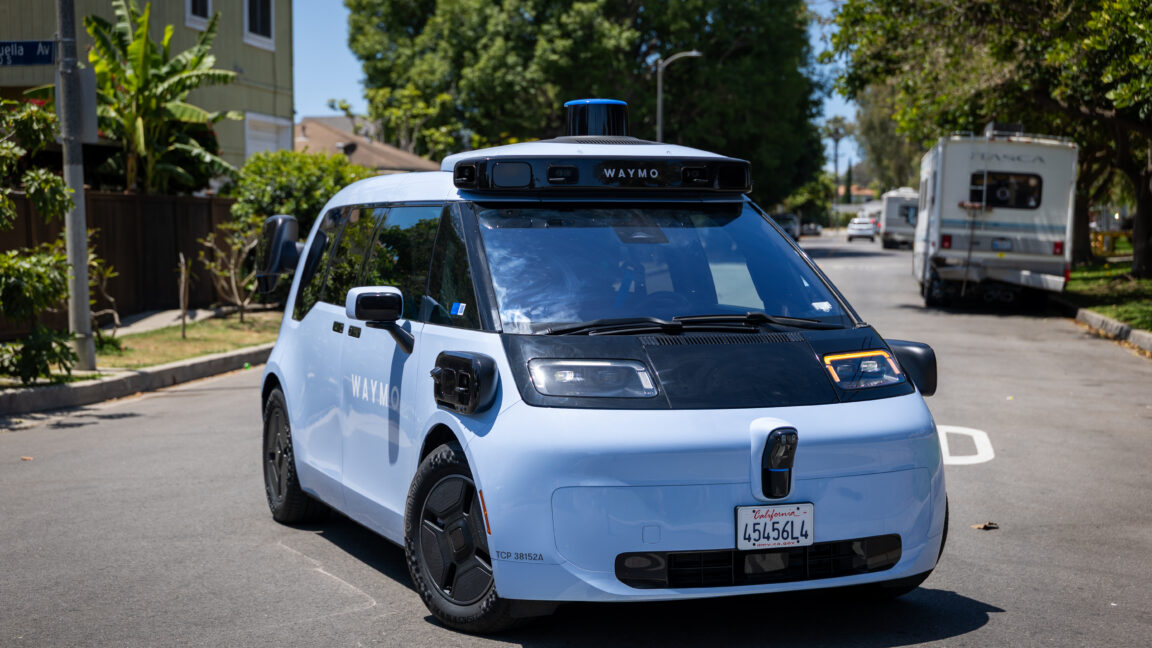
A delay by a state regulatory agency could result in a period of free rides for Waymo's autonomous vehicles in Ojai, California. The California Public Utilities Commission (CPUC) was expected to vote on Waymo's application to expand its driverless ride-hailing services in Los Angeles and the San Francisco Peninsula by the end of 2023. However, the commission has postponed this decision. This postponement means that Waymo's existing permit, which allows for driverless operations in San Francisco, is set to expire on December 31, 2023. Without a timely renewal or approval of the new permit, the company might be forced to halt its paid driverless services in San Francisco. Simultaneously, Waymo recently received approval to test its driverless vehicles in Ojai, a city in Ventura County. This testing permit does not currently allow for commercial operations or charging fares. If the CPUC's decision on the broader expansion is delayed significantly, Waymo could potentially offer free rides in Ojai for a few months while awaiting the crucial regulatory green light for its commercial services elsewhere. This situation highlights the complexities and potential unintended consequences of regulatory timelines.
This situation illustrates how regulatory processes, even with the best intentions, can create unintended market dynamics. The delay in the CPUC's decision, while potentially leading to temporary free services in Ojai, underscores the critical role of clear and timely regulatory frameworks in the deployment of new technologies like autonomous vehicles. Companies operating in this space face significant investment and operational challenges, and regulatory uncertainty can impact their ability to scale and monetize services. The interplay between testing permits and commercial operating permits, coupled with potential lapses due to administrative timelines, highlights the need for adaptive governance structures that can keep pace with technological advancement while ensuring public safety and fair market access.
AI-generated to prompt reflection — not editorial opinion, not advice, not a statement of fact. How this works.