Religious Leader Defends Ousmane Sonko Against "Demonization" Campaign
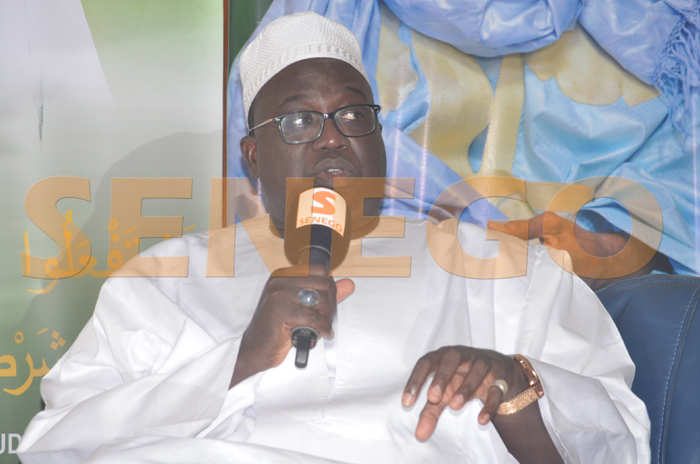
The planned visit of Ousmane Sonko to Touba, as part of Pastef's "48 hours" activities, has sparked significant criticism and a campaign to discredit the leader of the ruling party. In response to this wave of negative attention, religious figure Cheikh Abdou Lahat Mbacké Gaindé Fatma has spoken out. He addressed the perceived attempts to demonize Sonko and his political party, Pastef. Mbacké Gaindé Fatma's intervention suggests a defense against what he views as unfair attacks on Sonko's reputation. The context involves Pastef's political activities and the public reaction they are generating. The religious leader's statement aims to counter the narrative of demonization surrounding Sonko. This event highlights the intersection of politics and religious influence in Senegal. The specific nature of the "48 hours" activities and the exact criticisms leveled against Sonko are not detailed, but the core issue is the alleged smear campaign. Mbacké Gaindé Fatma's position indicates a notable figure's engagement in the political discourse.
This situation highlights the complex interplay between political leadership, public perception, and religious authority in Senegal. The "demonization" narrative suggests a strategic effort to undermine a political figure, potentially leveraging public sentiment or existing societal divisions. Cheikh Abdou Lahat Mbacké Gaindé Fatma's public defense indicates the significant influence religious leaders can wield in shaping public opinion and legitimizing political actors. From a systems perspective, such interventions can either reinforce or challenge established political dynamics, depending on the broader socio-political landscape and the specific motivations of the actors involved. The event prompts consideration of how political campaigns navigate religious sensitivities and the potential for external endorsements or condemnations to impact electoral outcomes in the coming decade, especially as digital platforms amplify such narratives.
AI-generated to prompt reflection — not editorial opinion, not advice, not a statement of fact. How this works.