Religious Tourism Fuels Economy in Southern Minas Gerais, Brazil
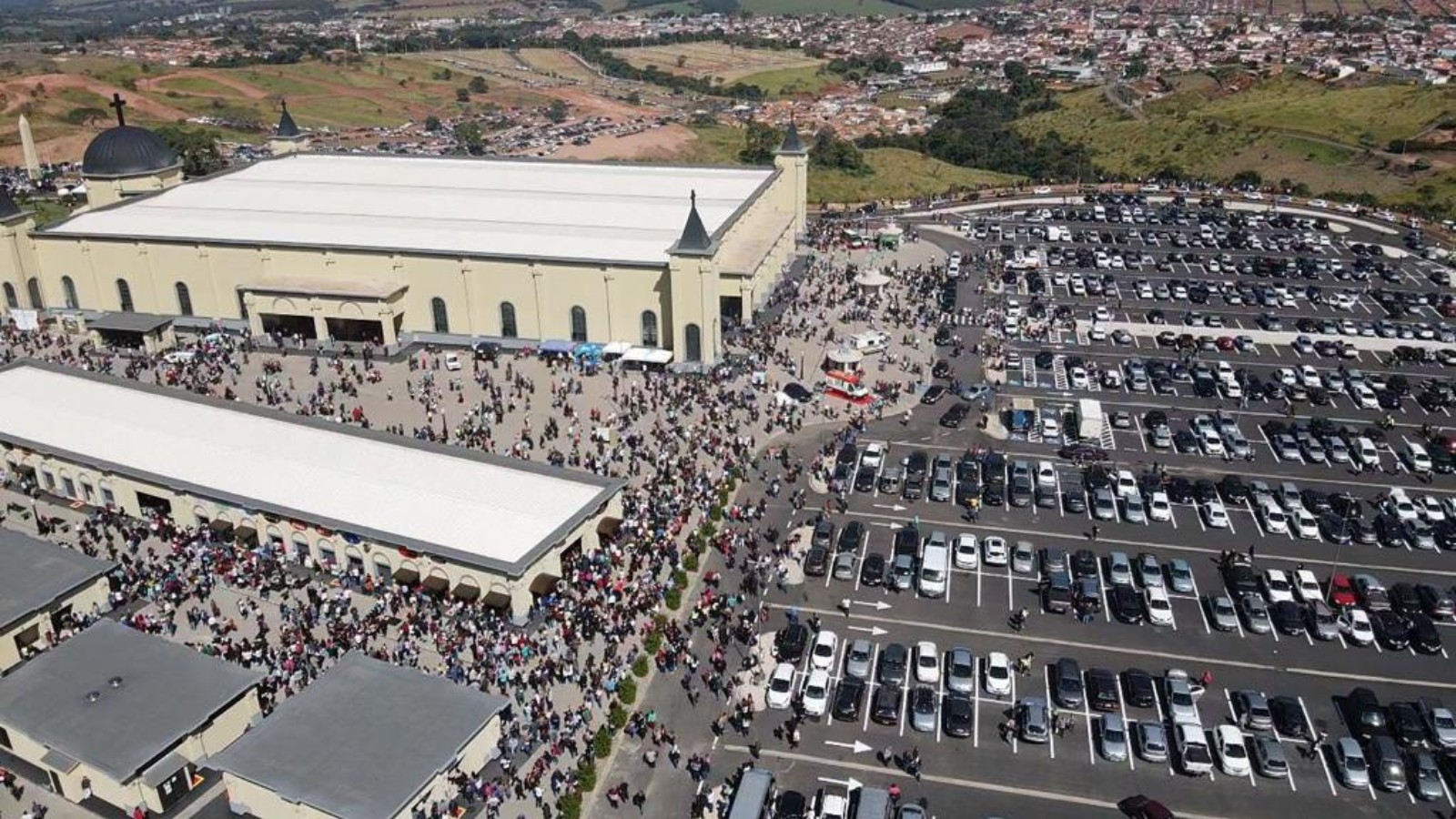
Southern Minas Gerais, Brazil, is emerging as a major hub for religious tourism, drawing thousands of faithful visitors annually and significantly boosting local economies. The region boasts numerous important sanctuaries, pilgrimage routes, and faith-based attractions, according to the State Secretariat of Culture and Tourism. This surge in visitors has had a transformative impact on local businesses, as exemplified by Ana Paula Avelar Silveira, who opened a religious articles store in Cássia and later expanded to Passos. She emphasized the need for businesses to develop products that cater to pilgrims and to provide excellent service, highlighting her own participation in a tourism seminar to enhance her understanding of the sector. The Sebrae organization is also actively involved, offering consultancy to improve the reception of pilgrims by local entrepreneurs, as noted by analyst Carolina Alvim. Passos, in particular, leverages its robust infrastructure, including its hotel network and gastronomy, along with its strategic location, to attract religious tourists. Municipal Tourism Secretary Édson Martins pointed out the city's equidistance to key religious sites like Cássia and Alpinópolis, noting the presence of historical churches over a century old. The "Caminho Santa Rita de Cássia" portal, inaugurated in 2022, marks the start of a 45-kilometer pilgrimage to the Cássia sanctuary and has become a popular meeting point. In Cássia, religious tourism accounts for approximately 60% of the municipal budget, with the Santuário de Santa Rita, inaugurated in 2022, being a major draw. The recent May festivities alone saw over 150,000 faithful visit the municipality, with plans underway to accommodate even more visitors in the future. Beyond Cássia and Passos, other significant religious destinations in Southern Minas include Alpinópolis's Monte das Oliveiras, the Caminho da Agonia pilgrimage route, the Santuário de Nossa Senhora da Conceição in Baependi housing the tomb of Blessed Nhá Chica, and Três Pontas, which hosts a festival dedicated to Blessed Padre Vítor. The Chancellor of the Diocese of Campanha, Monsignor Bruno César Graciano, attributes the strength of religious tourism to the region's rich historical and cultural heritage, including its tangible and intangible assets, which serve to strengthen faith and attract visitors.
The economic development of Southern Minas Gerais is significantly influenced by its religious tourism sector, which leverages historical, cultural, and spiritual assets. The growth in visitor numbers highlights a powerful economic driver, particularly for smaller municipalities, by creating business opportunities and employment. Initiatives by local government, organizations like Sebrae, and private entrepreneurs demonstrate a coordinated effort to enhance infrastructure and service quality, aiming to maximize the economic benefits. This trend reflects a broader global pattern where faith-based travel continues to be a resilient and substantial segment of the tourism industry. The region's success suggests that strategic investment in heritage preservation and visitor experience can yield significant economic returns, fostering community development and cultural continuity. Future growth may depend on maintaining authenticity while adapting to evolving visitor expectations and sustainable tourism practices.
AI-generated to prompt reflection — not editorial opinion, not advice, not a statement of fact. How this works.