Remains of Dom Tadeu Strünck Reinterred at Altar in Sorocaba Chapel
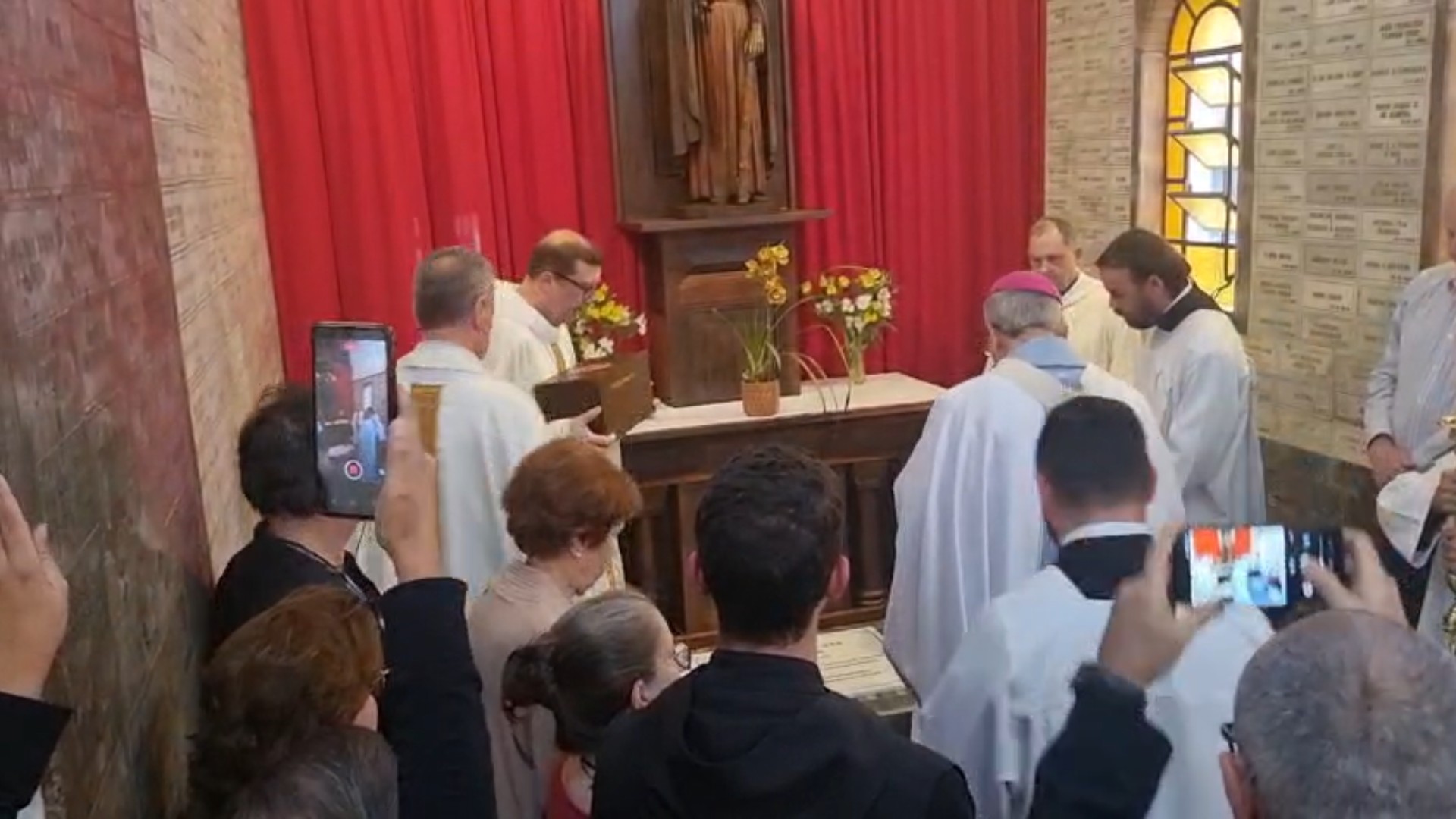
The Santa Ana church, within the São Bento monastery in Sorocaba, São Paulo, hosted a ceremony on Sunday, October 26th, to transfer the remains of Dom Tadeu Strünck. Dom Tadeu was a Benedictine monk who played a significant role in the history of the São Bento order in the city. His remains were placed at the altar of the chapel dedicated to Saint Jude Thaddeus, which is located inside the monastery. This act of honoring a deceased monk by interring them at an altar is a Catholic tradition for individuals who significantly impacted religious history. Dom Tadeu is recognized in Sorocaba for promoting devotion to Saint Jude Thaddeus. The chapel itself, originally inaugurated in 1844 by Dom Tadeu, was recently restored and reopened, making the altar available for his reburial. Dom José Roberto Fortes Palau, the current metropolitan archbishop of Sorocaba, participated in the mass and the placement of the urn. Born in Bonn, West Germany, in 1900, Dom Tadeu Strünck arrived in Brazil in 1922. He served as Prior of the São Bento Monastery in Sorocaba twice, from 1931 to 1933 and again in 1943. He was instrumental in fostering devotion to Saint Jude Thaddeus, converting a former side porch of the church into a chapel for the saint. In 1974, he was granted the title of Sorocaba citizen. He passed away on July 20, 1975, and was initially buried in the Saudade Cemetery. A public square in Sorocaba also bears his name and features a statue in his honor.
The reinterment of Dom Tadeu Strünck's remains at the altar of a chapel he helped establish highlights the enduring significance of religious figures within local communities and institutional histories. This practice reflects a desire to symbolically connect the sacred space with individuals whose lives were dedicated to faith and community service, reinforcing institutional memory and spiritual continuity. From a governance perspective, such acts can strengthen the bond between the faithful and their religious heritage, potentially influencing future engagement and support for the institution. The restoration of the chapel prior to the reburial also signifies a commitment to preserving historical and cultural assets, which can have broader implications for heritage tourism and local identity. The event underscores how religious organizations utilize symbolic gestures to venerate past leaders and inspire present followers, a strategy common across various cultural and historical contexts.
AI-generated to prompt reflection — not editorial opinion, not advice, not a statement of fact. How this works.