Remembering Professor Abul Fazal: A Champion of Intellectual Freedom
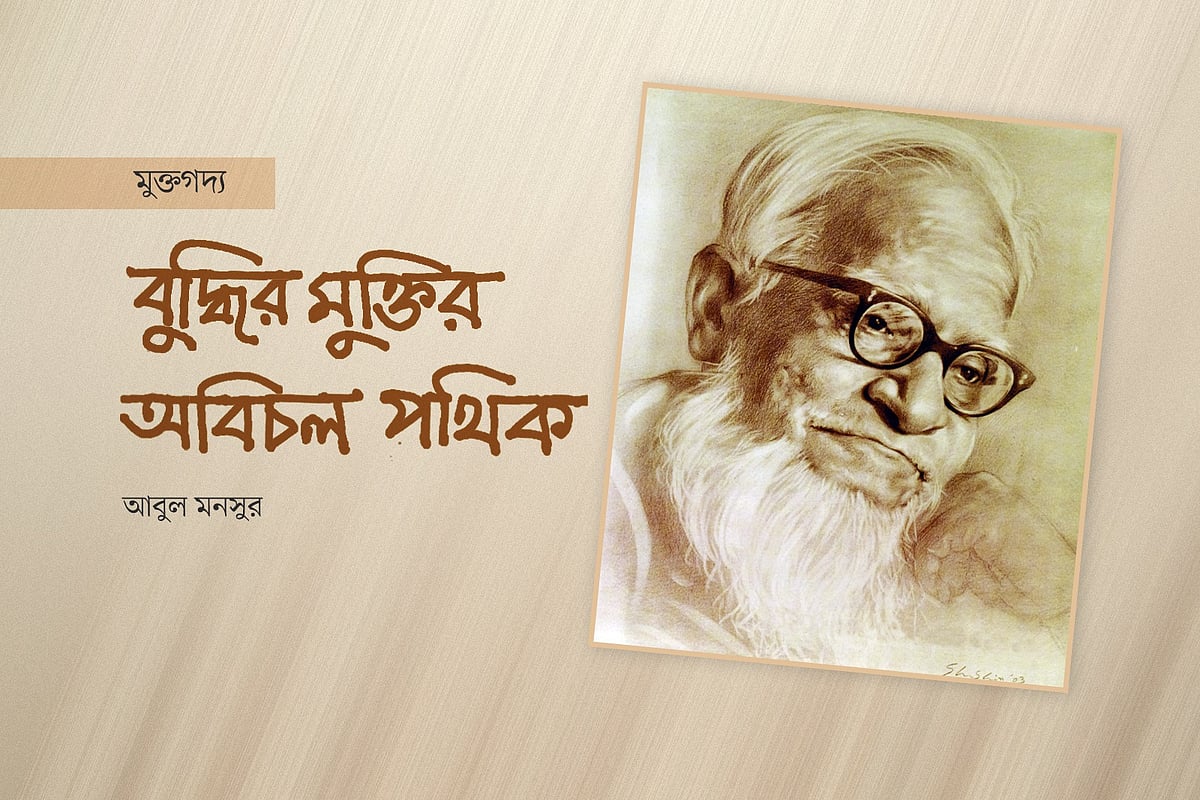
Professor Abul Fazal, a prominent intellectual and progressive thinker, deeply embodied the ideals of the "Buddhir Mukti Andolon" (Movement for Intellectual Liberation) in both his writings and personal conduct. This remembrance, coinciding with the centenary of the movement and Fazal's birthday, offers an intimate portrait of his fearless dedication to rational thought. The "Buddhir Mukti Andolon" and its publication "Shikha" (Flame) magazine are set to complete 100 years in 2026, marking a century since their inception aimed at fostering literary and cultural interest and independent, rational thinking within a society steeped in superstition. While many associated with this movement became less active in writing later, Fazal, alongside Abdul Qadir, remained a committed voice. Fazal, a student at the time, was drawn to the movement's ideology, which he carried through his eighty-year writing career and personal life. He actively wrote during the Pakistan era, advocating for an inclusive, secular state and the separation of religion from governance, even under the repressive Ayub Khan regime. His writings, which challenged conservative societal norms, led to the confiscation of publications and fears of arrest. In independent Bangladesh, he notably protested a statement by Bangabandhu Sheikh Mujibur Rahman on education, a bold act of dissent for the time. Fazal's life exemplified "plain living and high thinking," characterized by his simple attire, preference for walking, and unwavering dedication to his responsibilities as a teacher, university vice-chancellor, and government advisor. He instilled values of self-reliance and integrity in his family, famously ensuring his children received the best education and encouraging them to earn any additional funds needed for their studies. His commitment to truth was absolute, as demonstrated when he corrected his son's misrepresented age for school admission, stating that the pursuit of knowledge should not begin with falsehood. Even after the assassination of Bangabandhu, Fazal expressed his protest through his story "Mriter Attohotya" (Suicide of the Dead), reflecting his lifelong commitment to truth and justice.
This account highlights Professor Abul Fazal's lifelong commitment to intellectual freedom and progressive ideals, particularly within the context of post-colonial South Asia. His advocacy for secularism and rational thought, especially during periods of political repression, underscores the challenges faced by dissenting voices in societies grappling with religious and political divisions. Fazal's personal life, marked by simplicity and integrity, serves as a testament to his philosophical convictions. The narrative implicitly raises questions about the sustainability of intellectual movements and the personal sacrifices required to uphold core values against prevailing societal and political pressures. His actions suggest that genuine progress often necessitates a courageous, albeit difficult, stance against the status quo, even when it leads to personal risk or professional inconvenience.
AI-generated to prompt reflection — not editorial opinion, not advice, not a statement of fact. How this works.