Remote Indian Village with 38 Military Servicemembers Faces Educational Crisis with One Teacher for 72 Students
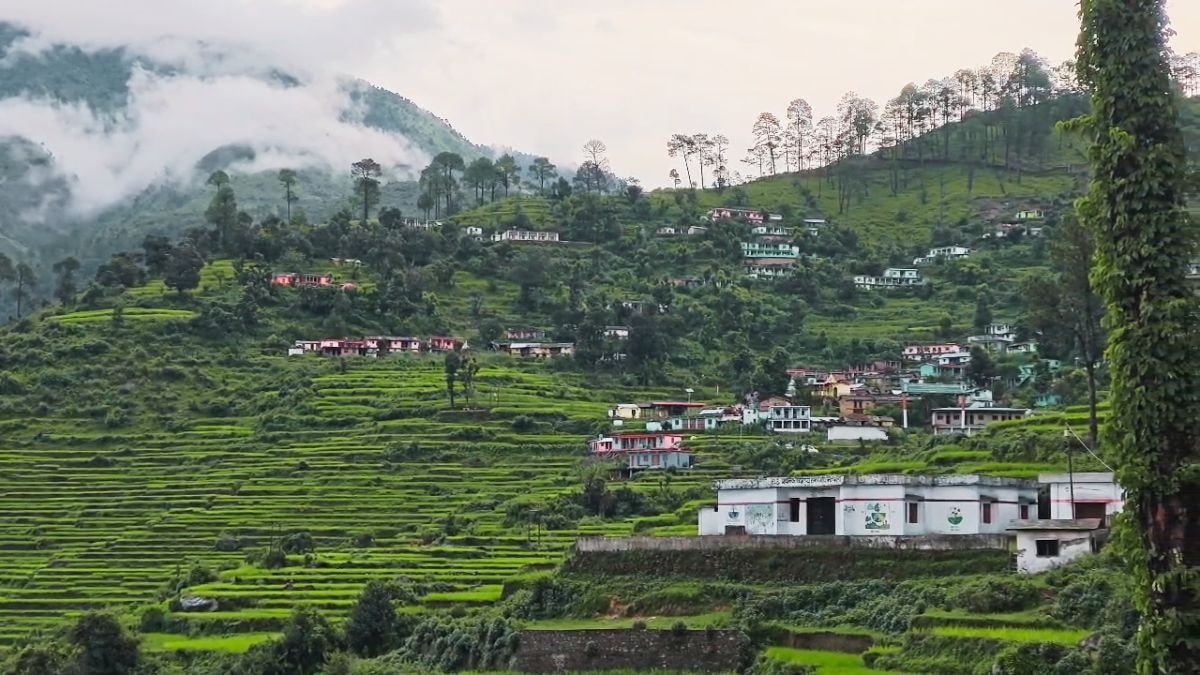
A village in Uttarakhand, India, which has contributed 38 young individuals to the Indian Army, Navy, and Air Force, is now facing a significant educational challenge. This same village has also produced several officers and government employees, highlighting its commitment to national service. However, the local junior high school presents a stark contrast to this dedication. The school, which serves 72 children, currently has only one teacher. This sole educator is responsible for teaching all classes and managing administrative government duties. The situation raises serious questions about the quality of education and the support provided to students in this patriotic community.
The disparity between a village's significant contribution to national defense and the underresourced state of its educational infrastructure presents a systemic challenge. This situation highlights potential governance gaps in ensuring equitable access to quality education, particularly in remote areas. The reliance on a single teacher for multiple grades and administrative tasks suggests an unsustainable model that could impact student learning outcomes and teacher well-being. Future policy considerations might explore innovative educational delivery methods, increased teacher recruitment incentives for rural postings, or community-based educational support systems to address such critical infrastructure deficits and ensure that patriotic service is matched by robust social support.
AI-generated to prompt reflection — not editorial opinion, not advice, not a statement of fact. How this works.