Remote Workers May Soon Fill 'Stubbornly Local' Jobs Globally
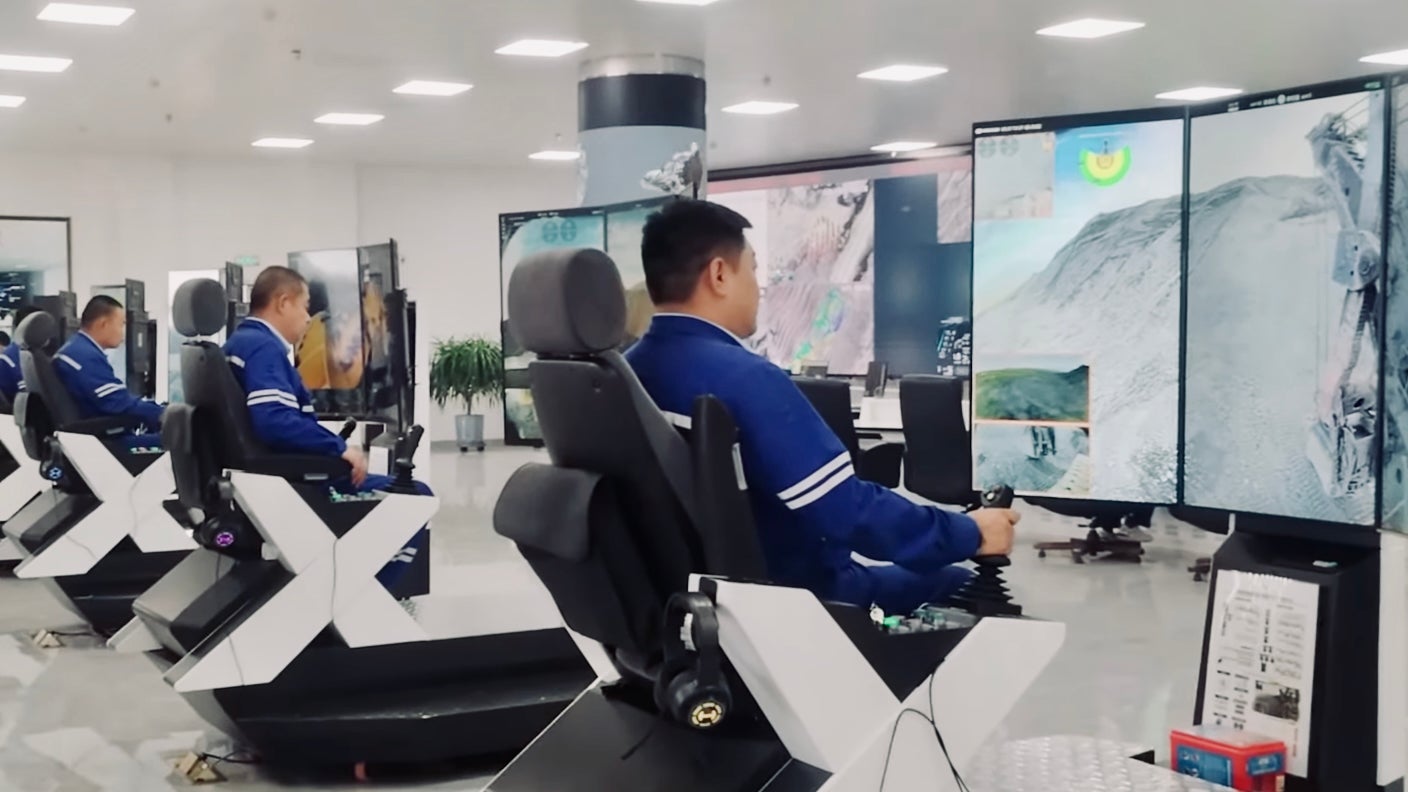
Companies are exploring new ways to fill jobs that were previously considered strictly local, potentially by employing workers thousands of miles away. This shift is enabled by advancements in internet connectivity and robotics, allowing individuals in distant locations to operate heavy machinery like excavators and forklifts. Furthermore, the technology extends to controlling humanoid robots, suggesting a broad range of applications. This development represents a significant evolution from earlier practices of moving entire factories overseas to cut labor costs. The ability for remote workers to manage complex, on-site equipment opens up new possibilities for global labor markets and operational strategies. It signifies a potential disruption to traditional employment models for roles requiring physical presence and hands-on operation.
This technological evolution in remote work, extending to previously 'stubbornly local' jobs like operating heavy machinery, presents a significant shift in labor dynamics. By leveraging advanced internet connectivity and robotics, companies can potentially access a global talent pool, decoupling job location from worker location. This could lead to increased efficiency and cost savings by optimizing labor markets. However, it also raises questions about workforce displacement in local economies, the infrastructure required for reliable remote operation, and the regulatory frameworks needed to govern this new form of employment. The long-term impact will depend on the balance between technological feasibility, economic incentives, and societal adaptation to these changing work structures.
AI-generated to prompt reflection — not editorial opinion, not advice, not a statement of fact. How this works.