Renê Jerônimo, Fernando de Noronha's Beloved Runner, Dies at 85
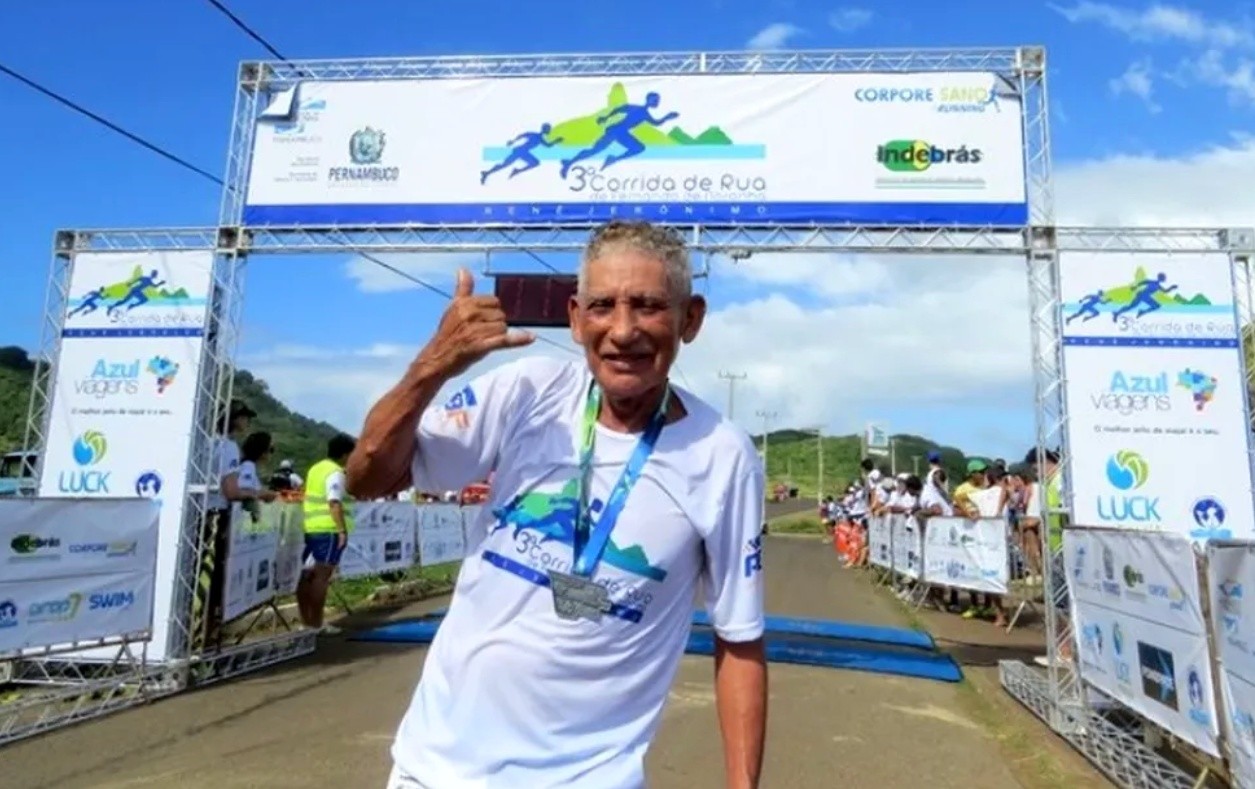
Renê Jerônimo, a prominent elderly athlete from Fernando de Noronha, passed away on Wednesday, July 15th, at the age of 85. His family confirmed his death, which occurred while he was hospitalized at the Hospital da Restauração in Recife. Jerônimo had been admitted on July 8th after being airlifted from the island due to a hemorrhage. The specific cause of death has not been disclosed. Born in Natal, Rio Grande do Norte, Jerônimo moved to Fernando de Noronha in 1958, initially working in fishing and as a merchant marine. In his later years, he became a passionate advocate for street running, inspiring many island residents to adopt the sport. His dedication led to the main street race on the island being named in his honor, the Corrida Renê Jerônimo. The 14th edition of this race, scheduled for August 1st as part of the island's 523rd-anniversary celebrations, has been canceled following his passing. Jerônimo also founded the "Coração Valente" (Brave Heart) running group, fostering a community around the sport. He was recognized for his contributions, including carrying the Olympic Torch in 2016 and receiving a special tribute during the island's anniversary in 2025. He is survived by his wife, four children, eight grandchildren, and one great-grandchild. Funeral and burial details were not yet available.
The passing of Renê Jerônimo highlights the profound impact individuals can have on community well-being through the promotion of healthy lifestyles. His transition from traditional livelihoods to becoming a driving force for amateur athletics demonstrates a personal evolution that resonated deeply within Fernando de Noronha. The naming of the island's primary running event after him underscores the lasting legacy of his community engagement and advocacy. In an era increasingly focused on public health and preventative wellness, Jerônimo's grassroots efforts serve as a model for fostering physical activity and social cohesion, particularly in geographically isolated or smaller communities. His story prompts consideration of how such local champions can be further supported by broader public health initiatives and urban planning to encourage active living across diverse demographics.
AI-generated to prompt reflection — not editorial opinion, not advice, not a statement of fact. How this works.