Renewable Energy: Saxony's Energy Transition Faces Support Amidst Reservations
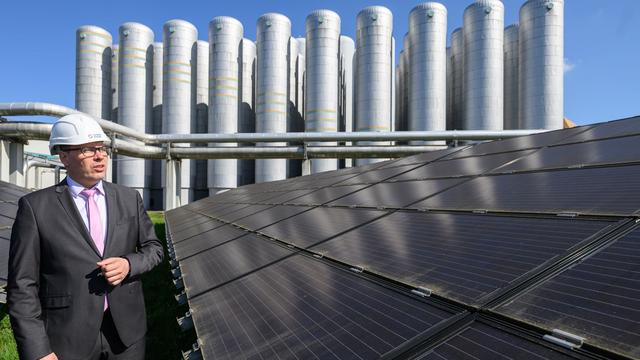
The energy transition in Saxony, Germany, is met with general approval but also significant reservations. While there is broad agreement on the necessity of shifting towards renewable energy sources, specific concerns are hindering faster progress. These concerns often relate to the practical implementation, local impacts, and economic feasibility of various renewable energy projects within the state.
Stakeholders, including citizens, local authorities, and industry representatives, have voiced their support for the overarching goals of the Energiewende. However, detailed discussions reveal anxieties about land use, visual impact of wind turbines, grid stability, and the long-term economic benefits for the region. Addressing these reservations is crucial for accelerating the adoption of renewable energy technologies in Saxony and ensuring a smooth transition away from fossil fuels. The state government is working to balance the urgent need for climate action with the practical considerations raised by its populace.
Saxony's experience with its energy transition highlights a common challenge in decarbonization efforts: the gap between broad public support for climate goals and specific local resistance to the infrastructure required. This dynamic underscores the importance of transparent planning processes and robust community engagement to address legitimate concerns about land use, visual impact, and economic distribution. Future policy frameworks may need to incorporate more localized benefit-sharing mechanisms and adaptive planning to mitigate these tensions. The long-term success of Germany's broader energy transition hinges on effectively navigating these regional complexities, ensuring that the necessary infrastructure development aligns with societal acceptance and equitable economic outcomes.
AI-generated to prompt reflection — not editorial opinion, not advice, not a statement of fact. How this works.