Renewed US-Iran Tensions Send European Gas Prices Soaring
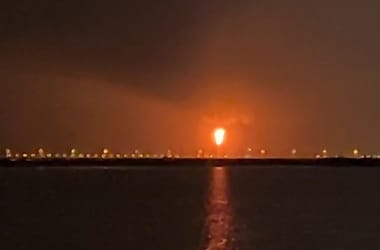
European gas prices have surged dramatically due to the renewed conflict between the United States and Iran. This escalation in geopolitical tensions has directly impacted energy markets, pushing prices close to their annual peak seen in mid-March. The situation highlights the fragility of global energy supplies and their susceptibility to international conflicts. Traders and analysts are closely monitoring the developments, as further instability could lead to even higher energy costs for consumers and industries across Europe. The reliance on imported energy sources makes the continent particularly vulnerable to such external shocks. This price increase could have significant ripple effects on inflation and economic growth in the region. Policymakers are likely to face increased pressure to diversify energy sources and enhance domestic production capabilities to mitigate future risks. The ongoing volatility underscores the need for robust energy security strategies.
The resurgence of US-Iran tensions has triggered a significant price shock in European natural gas markets, demonstrating the interconnectedness of geopolitical stability and energy security. This event underscores the inherent vulnerability of economies heavily reliant on imported energy, particularly when those imports are subject to the volatility of international relations. The market's rapid reaction suggests that current supply chains are not sufficiently resilient to absorb such geopolitical disruptions. Looking ahead, this incident may accelerate efforts towards energy diversification and the development of alternative energy sources within Europe, aiming to reduce dependence on regions prone to conflict and thereby enhance long-term economic stability and energy independence.
AI-generated to prompt reflection — not editorial opinion, not advice, not a statement of fact. How this works.