Renowned Archaeologist Accused of Impostor Status Over Spanish Visigoth Treasure
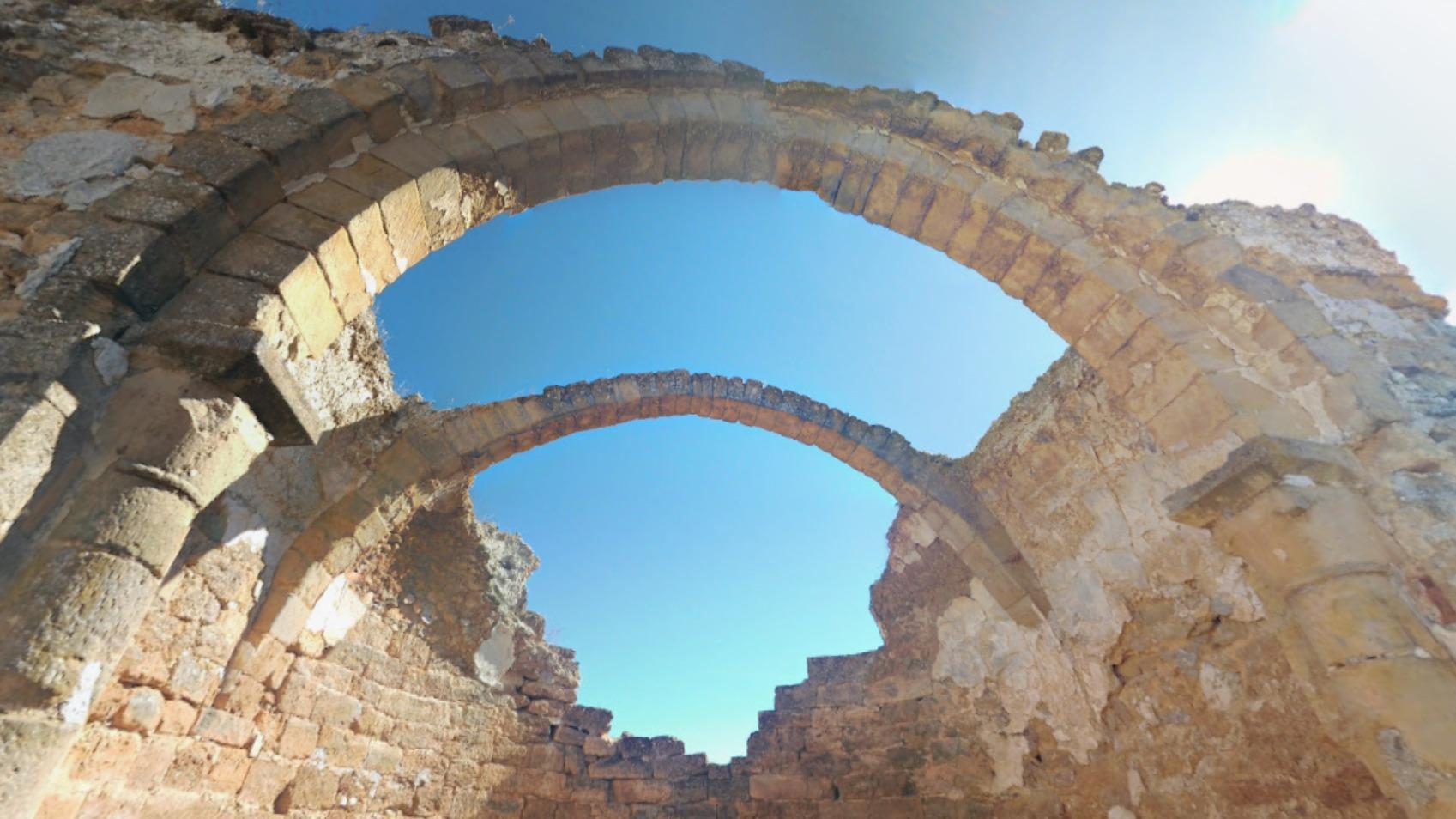
A controversy has erupted within the archaeological community concerning a study that challenges the work of a prominent figure in the field. The study, reported by El Pais, questions the authenticity of gold pieces discovered in 1945. This investigation targets a highly respected archaeologist, whose legacy is now under scrutiny. The dispute centers on a Visigothic treasure originating from Spain. Specialists are divided over the findings and the methodology employed in the original discovery. The implications of this new research could significantly alter the understanding of this historical find. The scientific community is closely watching the developments as they unfold. Further analysis and debate are expected to clarify the situation.
This situation highlights the self-correcting nature of scientific inquiry, where established findings can be re-examined with new methodologies or evidence. The controversy underscores the importance of rigorous peer review and transparent data sharing in archaeology. Future research will likely focus on verifying the provenance and authenticity of the artifacts, potentially involving advanced dating techniques and comparative analysis of similar historical finds. The debate may also prompt a broader discussion on the standards for attributing discoveries and the long-term impact of such revelations on historical narratives.
AI-generated to prompt reflection — not editorial opinion, not advice, not a statement of fact. How this works.