Renowned writer Conceição Evaristo to hold open lecture at Unicamp
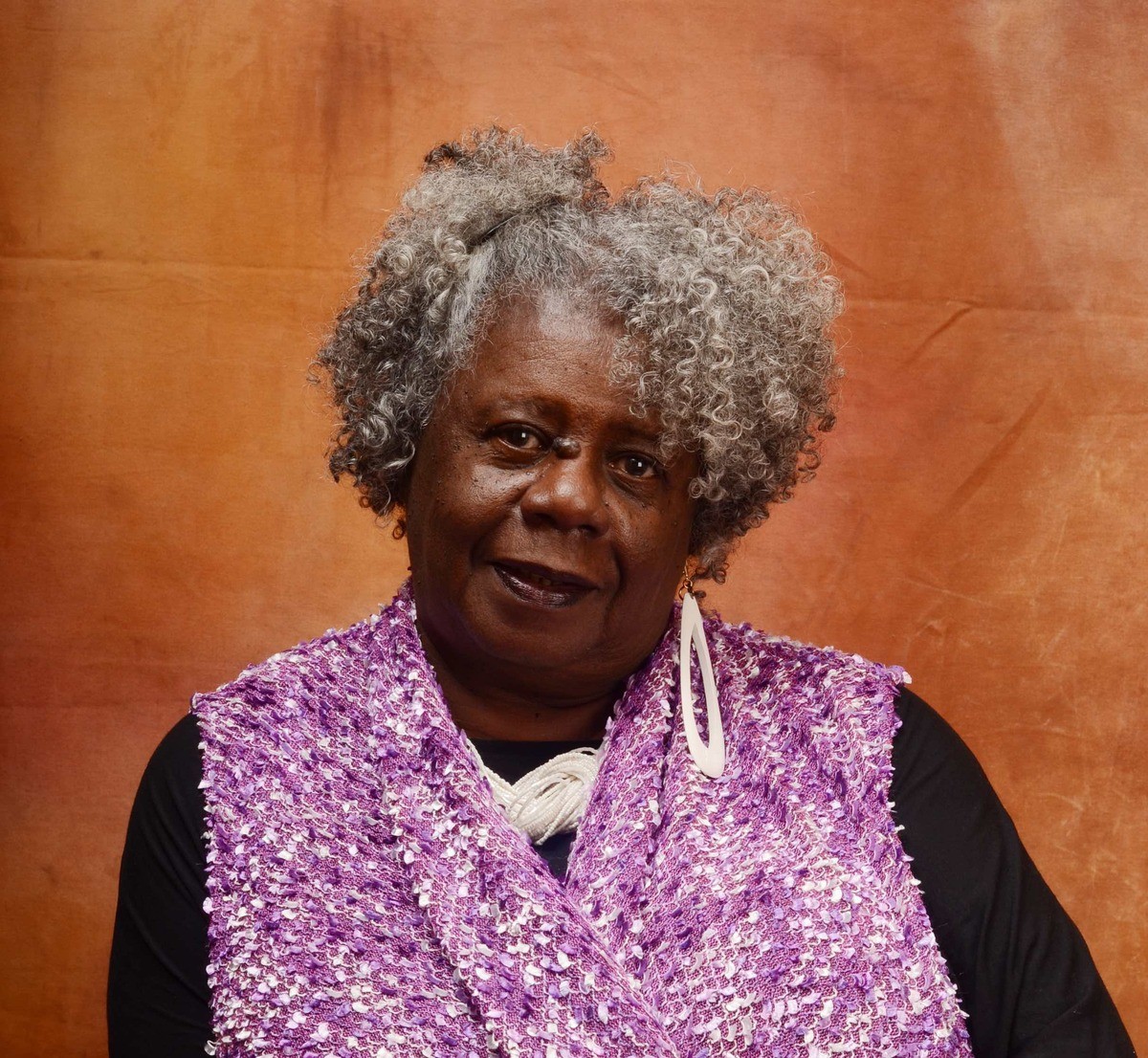
Esteemed Brazilian writer Conceição Evaristo will deliver an open lecture at the State University of Campinas (Unicamp) on Thursday, June 6th, at 6 PM. The free event, held in the auditorium of the Permanent Commission for Entrance Exams (Comvest), will also be livestreamed on the TV Unicamp YouTube channel. Evaristo's visit to Unicamp includes participation in various activities, notably a visit to the Edgard Leuenroth Archive. She is seeking support to organize, restore, and digitize her personal documents, which are currently stored in Rio de Janeiro. Her itinerary also includes visits to Fazenda Roseira and Casa de Cultura Tainã. Born in Belo Horizonte, Evaristo's literary work centers on the memory and ancestry of Black Brazilians, particularly women, addressing social inequalities and daily conflicts. Her notable works include "Becos da Memória" and "Canção para Ninar Menino Grande," with "Olhos d’Água" being a required text for Unicamp's entrance exams. This lecture is part of the Afro-Cebrap project, which explores racial issues and connects the university with Black thinkers, an initiative that previously hosted the group Racionais MC's.
The engagement of prominent intellectuals and artists like Conceição Evaristo with academic institutions such as Unicamp highlights a growing trend of universities actively seeking to integrate diverse cultural narratives and historical perspectives into their curricula and public discourse. This initiative, part of the Afro-Cebrap project, aims to bridge the gap between academic scholarship and the lived experiences of marginalized communities, fostering a more inclusive intellectual environment. By focusing on themes of memory and ancestry, the university is acknowledging the critical role these elements play in shaping identity and understanding societal structures. The archival efforts for Evaristo's personal documents underscore the importance of preserving cultural heritage for future research and public access, recognizing that personal collections can offer invaluable insights into broader social and historical movements. This approach not only enriches the academic landscape but also empowers underrepresented voices, challenging dominant historical narratives and promoting a more nuanced understanding of Brazilian society.
AI-generated to prompt reflection — not editorial opinion, not advice, not a statement of fact. How this works.