Replication Crisis in Neuroscience: Foundational Brain Imaging Studies Fail to Hold Up
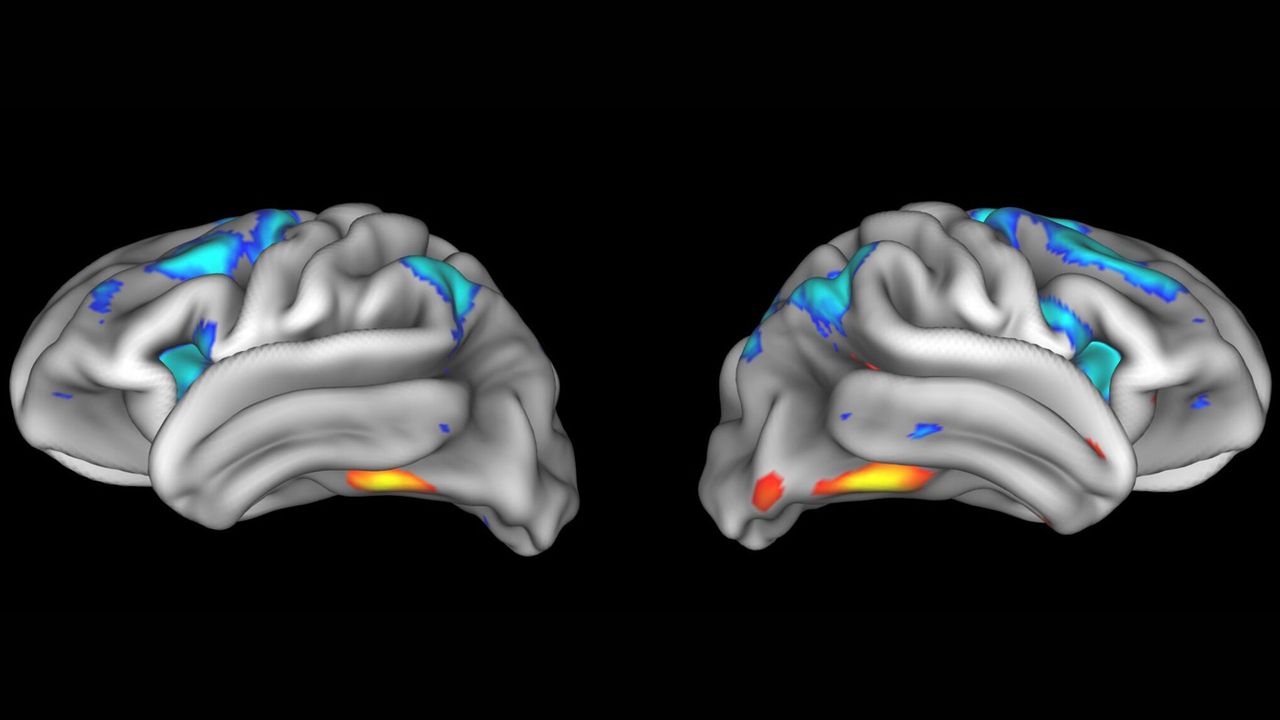
A significant replication crisis is emerging in neuroscience, with several foundational brain imaging studies failing to yield consistent results in subsequent research. This issue poses a substantial challenge to the established understanding of the brain and the reliability of current scientific knowledge. The inability to reproduce key findings raises concerns about the validity of initial discoveries and the robustness of the methodologies employed. Researchers are grappling with the implications, as these foundational studies often form the basis for further investigation and theoretical development in the field. The lack of reproducibility suggests potential issues with experimental design, statistical analysis, or inherent variability within the brain itself that may not have been adequately accounted for. Addressing this crisis is crucial for ensuring the integrity of neuroscience research and building a more accurate and dependable body of knowledge about brain function. The scientific community must now focus on developing strategies to improve the reproducibility of findings and re-evaluate the conclusions drawn from studies that cannot be independently verified. This situation highlights the importance of rigorous validation processes in scientific inquiry, particularly in complex fields like neuroscience.
The challenges in replicating foundational neuroscience findings underscore a critical juncture for the field. This situation points to potential systemic issues in research design, statistical power, and the inherent complexity of biological systems that may not be fully captured by current imaging techniques. Moving forward, the scientific community will likely need to emphasize more robust methodological standards, pre-registration of studies, and larger sample sizes to enhance the reliability of results. The long-term implications for our understanding of the brain will depend on how effectively these reproducibility issues are addressed, potentially leading to a recalibration of established theories and a more cautious approach to drawing definitive conclusions from initial studies. This evolution is essential for building a more resilient and trustworthy scientific knowledge base in the AI era, where accurate data is paramount.
AI-generated to prompt reflection — not editorial opinion, not advice, not a statement of fact. How this works.