Report Reveals Pregnant Women in Nepal Face Abuse Despite Legal Protections
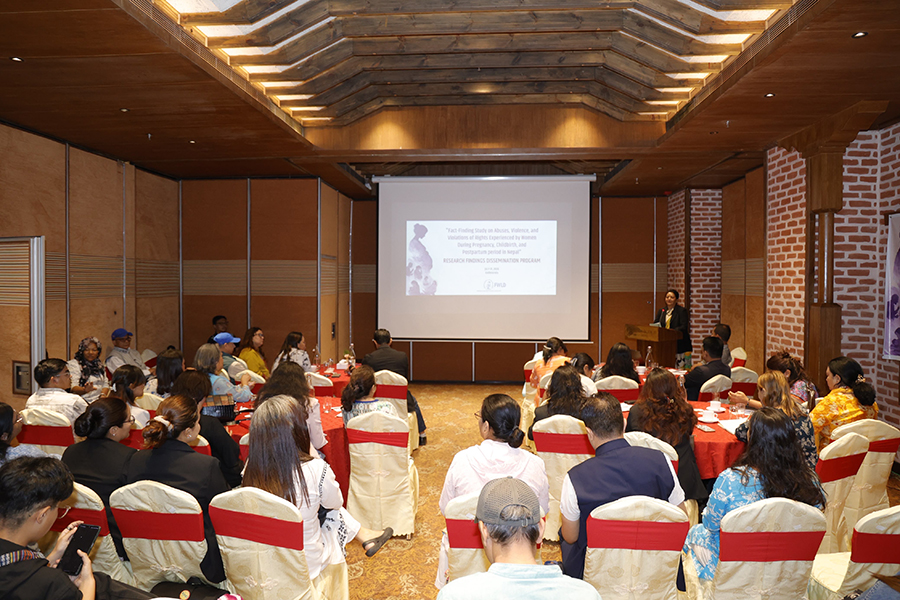
A recent report has revealed that pregnant women in Nepal are forced to endure abuse and violence, despite the Safe Motherhood and Reproductive Health Rights Act, which guarantees respectful maternity services. The report was released by the Forum for Women, Law and Development (FWLD). It details the mistreatment, violence, and rights violations experienced by women during pregnancy, childbirth, and the postpartum period across Nepal. The findings indicate that such incidents are more prevalent in educated and urban areas, which is a concerning trend. This suggests that even with legal frameworks in place, the practical implementation and societal attitudes towards pregnant women require significant improvement. The report highlights a critical gap between legal provisions and the lived realities of women seeking maternal healthcare. Further investigation into the specific factors contributing to higher rates in urban and educated populations is warranted. Addressing these issues is crucial for ensuring the well-being and dignity of mothers and newborns in Nepal. The FWLD's work in bringing these issues to light is a significant step towards advocating for better maternal care.
This report highlights a systemic failure in Nepal to translate legislative intent into tangible improvements in maternal healthcare experiences. Despite the existence of the Safe Motherhood and Reproductive Health Rights Act, the persistence of abuse and violence against pregnant women indicates a disconnect between legal frameworks and on-the-ground enforcement and societal norms. The finding that educated and urban areas report higher instances of abuse is particularly striking, suggesting that increased awareness or access to services may not inherently correlate with improved treatment, and could even expose vulnerabilities or create new avenues for mistreatment. Future policy interventions should focus not only on legal rights but also on mandatory training for healthcare providers, robust grievance redressal mechanisms, and public awareness campaigns that challenge deeply ingrained societal attitudes. Understanding the specific dynamics within urban settings that exacerbate these issues will be key to developing targeted and effective solutions over the next decade.
AI-generated to prompt reflection — not editorial opinion, not advice, not a statement of fact. How this works.