Reporter Wept After Interviewing Grieving 8-Year-Old Girl in Recife
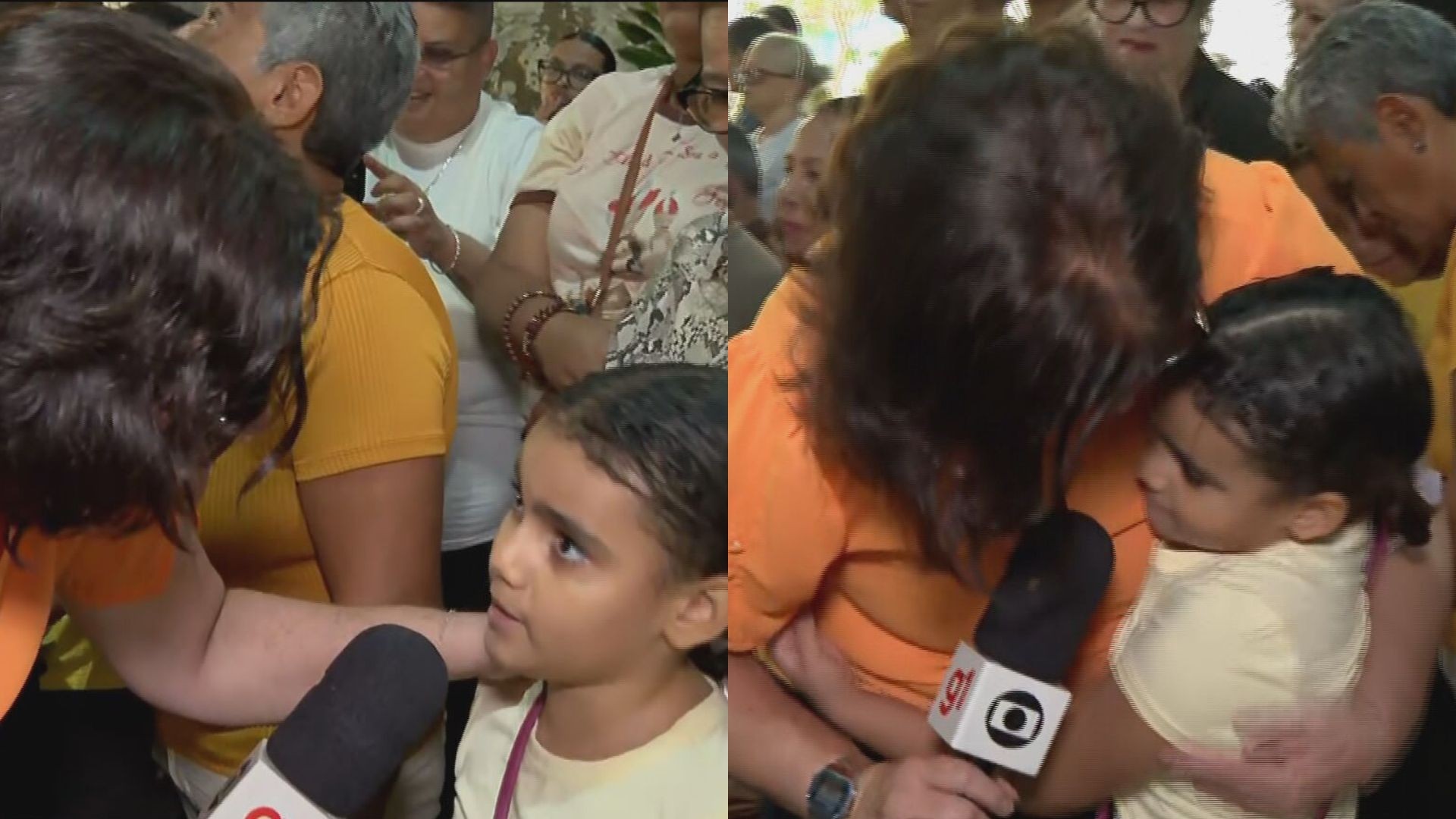
TV Globo reporter Bianka Carvalho shared that she cried profusely after interviewing an 8-year-old girl named Antonela in Recife, Brazil. The interview, conducted during the Festa do Carmo, focused on Antonela's profound grief and longing for her mother, who passed away on May 11. Antonela, who recently celebrated her eighth birthday without her mother, spoke with remarkable emotional maturity about her loss and her faith in Nossa Senhora do Carmo for protection. The interaction, broadcast live on NE1, deeply moved viewers and went viral due to the reporter's sensitive handling of the situation and the genuine connection formed between her and the child. Carvalho described being completely absorbed in the girl's world, stating that the time it took her to compose herself was also the time Antonela needed to articulate her feelings. She expressed a strong desire to offer comfort and support to Antonela, acknowledging the child's existing support network. The reporter was visibly distraught after the segment concluded, emphasizing the impact of the young girl's experience. Antonela conveyed that while her family provides support, she deeply misses her mother and finds solace in prayer, believing her mother watches over her. She expressed a wish to hug her mother and speak with her directly, but finds connection through prayer.
This event highlights the powerful emotional resonance of personal tragedy amplified through media coverage. The reporter's candid reaction underscores the human impact of witnessing profound grief, particularly in a child. From a media ethics perspective, the situation presents a delicate balance between capturing authentic human experience and protecting vulnerable individuals. The viral nature of the interview suggests a societal need to connect with and respond to stories of loss, potentially indicating a broader societal challenge in addressing childhood bereavement. Future media strategies might consider how to ethically engage with such sensitive narratives, ensuring that the focus remains on support and understanding rather than solely on emotional spectacle, while also leveraging public attention to facilitate genuine aid for those affected.
AI-generated to prompt reflection — not editorial opinion, not advice, not a statement of fact. How this works.