Rescheduling Cannabis Could Boost Research, But Challenges Remain
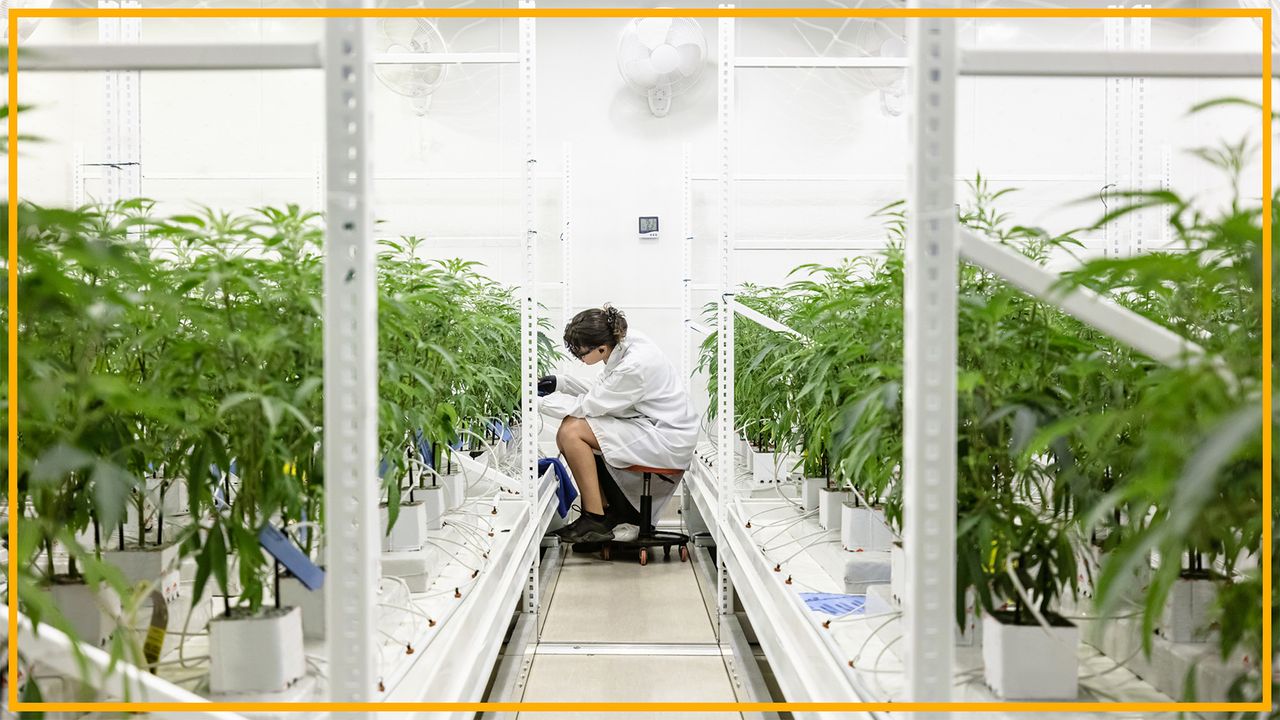
Clinical researcher Raymond Palidora suggests that rescheduling cannabis could significantly ease restrictions on scientific research, potentially leading to the largest investment in cannabis studies to date. This change could open new avenues for understanding its medical applications. However, Palidora cautions that rescheduling alone will not resolve the long-standing scientific, regulatory, and patient-access challenges that have historically impacted medical cannabis. These issues have shaped the landscape of cannabis research and its integration into patient care for many years. Therefore, while rescheduling is a crucial step, it is not a panacea for all the complexities surrounding medical cannabis. Further comprehensive reforms will be necessary to fully address these multifaceted issues and unlock the full potential of cannabis in medicine.
The potential rescheduling of cannabis presents a significant opportunity to advance scientific understanding and investment in its medical applications. By reclassifying cannabis, regulatory barriers that have historically hindered research could be lowered, fostering a more robust scientific inquiry. This shift could align with broader technological advancements and societal evolving perspectives on cannabis. However, the statement correctly identifies that regulatory change is only one part of a complex system. Systemic issues related to research infrastructure, data collection standards, and equitable patient access will likely persist and require dedicated, multi-faceted solutions. Addressing these requires a forward-looking approach that anticipates the integration of cannabis-based therapies within existing healthcare frameworks, considering long-term public health outcomes and the evolving scientific evidence base.
AI-generated to prompt reflection — not editorial opinion, not advice, not a statement of fact. How this works.