Rescued Monkey and Maned Wolf Sighting Highlight Valença's Rich Wildlife
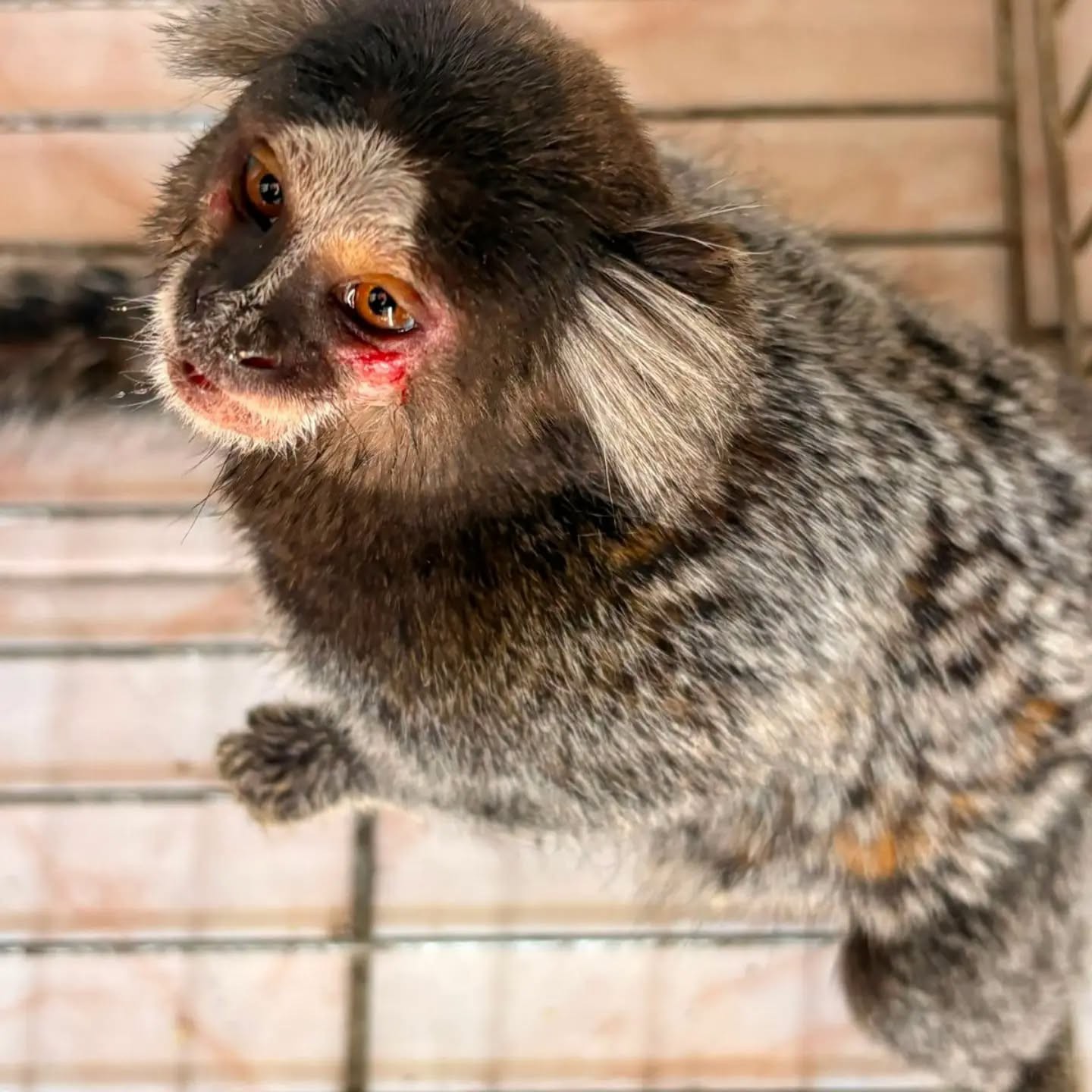
Recent events in Valença, Rio de Janeiro, have underscored the significance of wildlife preservation, featuring the rescue of an injured white-tufted marmoset and the sighting of a rare pair of maned wolves. On Thursday, July 9th, the Municipal Health Surveillance team successfully rescued a weakened white-tufted marmoset in Jardim de Cima. The primate exhibited signs of hunger and a facial injury. The rescue operation was supported by Felipe Uere, a park ranger from the State Environmental Institute (INEA), and animal protector João Loirinho. Following its rescue, the marmoset was taken for an expert veterinary evaluation and is expected to be released back into its natural habitat after receiving necessary treatment. Earlier, on July 2nd, a rare observation brought attention to the area's biodiversity. Pedro Paulo, an INEA park ranger, filmed a mating pair of maned wolves around 6 AM on Estrada de Santana. This sighting occurred within the buffer zone of the Middle Paraíba Wildlife Refuge. The Valença City Hall emphasized that these incidents demonstrate the municipality's environmental richness and highlight that wildlife conservation is a shared responsibility. Authorities advise against removing wild animals from their natural environment or keeping them in captivity. For injured or endangered animals, the public is urged to contact environmental agencies for safe rescue procedures.
The reported wildlife rescues and sightings in Valença serve as a tangible reminder of the ecological value present in local environments. These events highlight the critical role of municipal environmental agencies and park rangers in species protection and public awareness. The incidents underscore a broader challenge: balancing human development with biodiversity conservation. As urban and rural landscapes increasingly intersect, the need for robust environmental protection policies and effective enforcement mechanisms becomes paramount. Proactive engagement with local communities and educational initiatives are vital to foster a collective sense of responsibility for preserving natural habitats and their inhabitants, ensuring the long-term health of ecosystems for future generations.
AI-generated to prompt reflection — not editorial opinion, not advice, not a statement of fact. How this works.